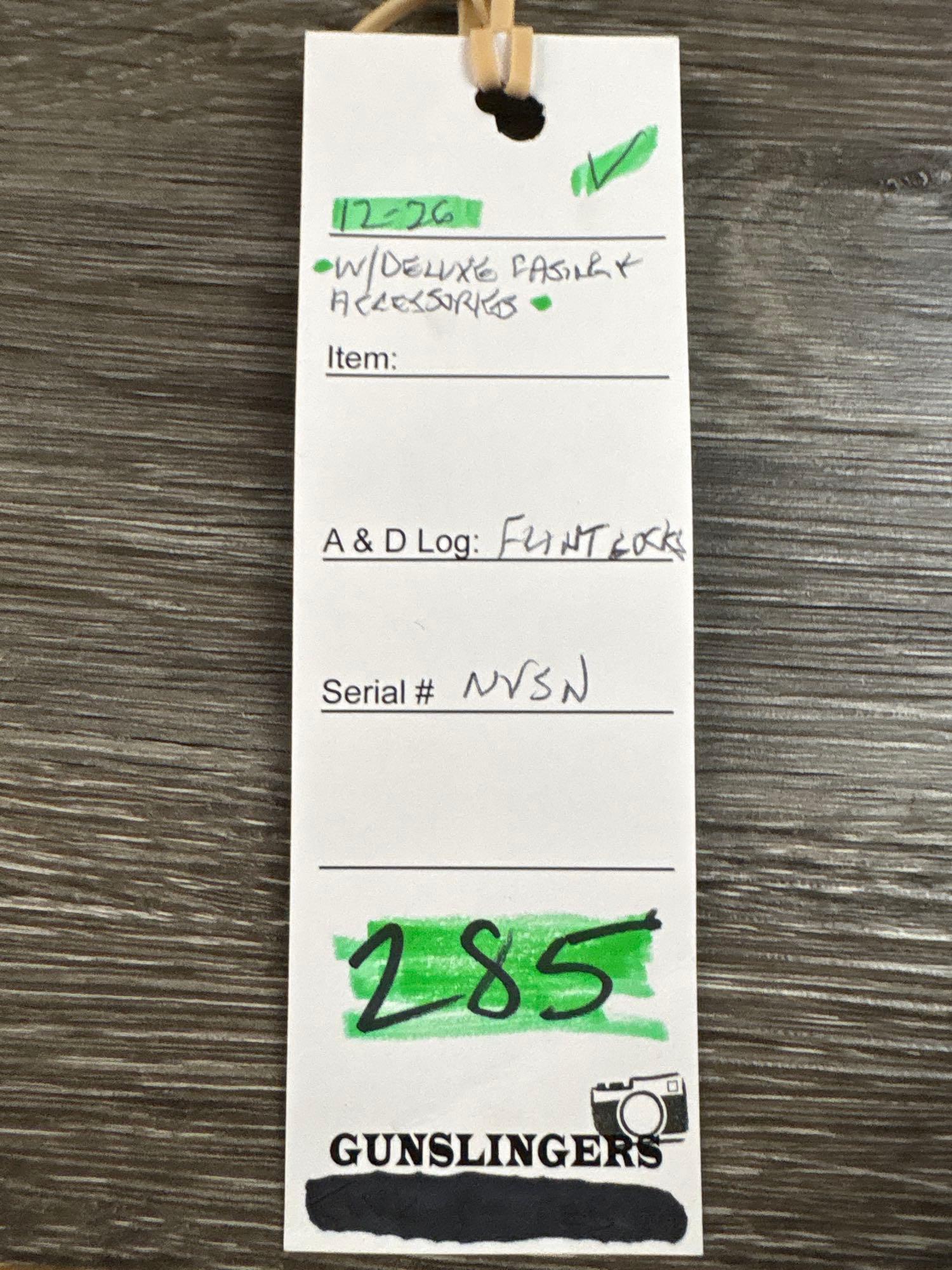
December 12th, 2026; Antique & Modern Firearms
Lot 285:
Description
GSID: 285.Flintlock
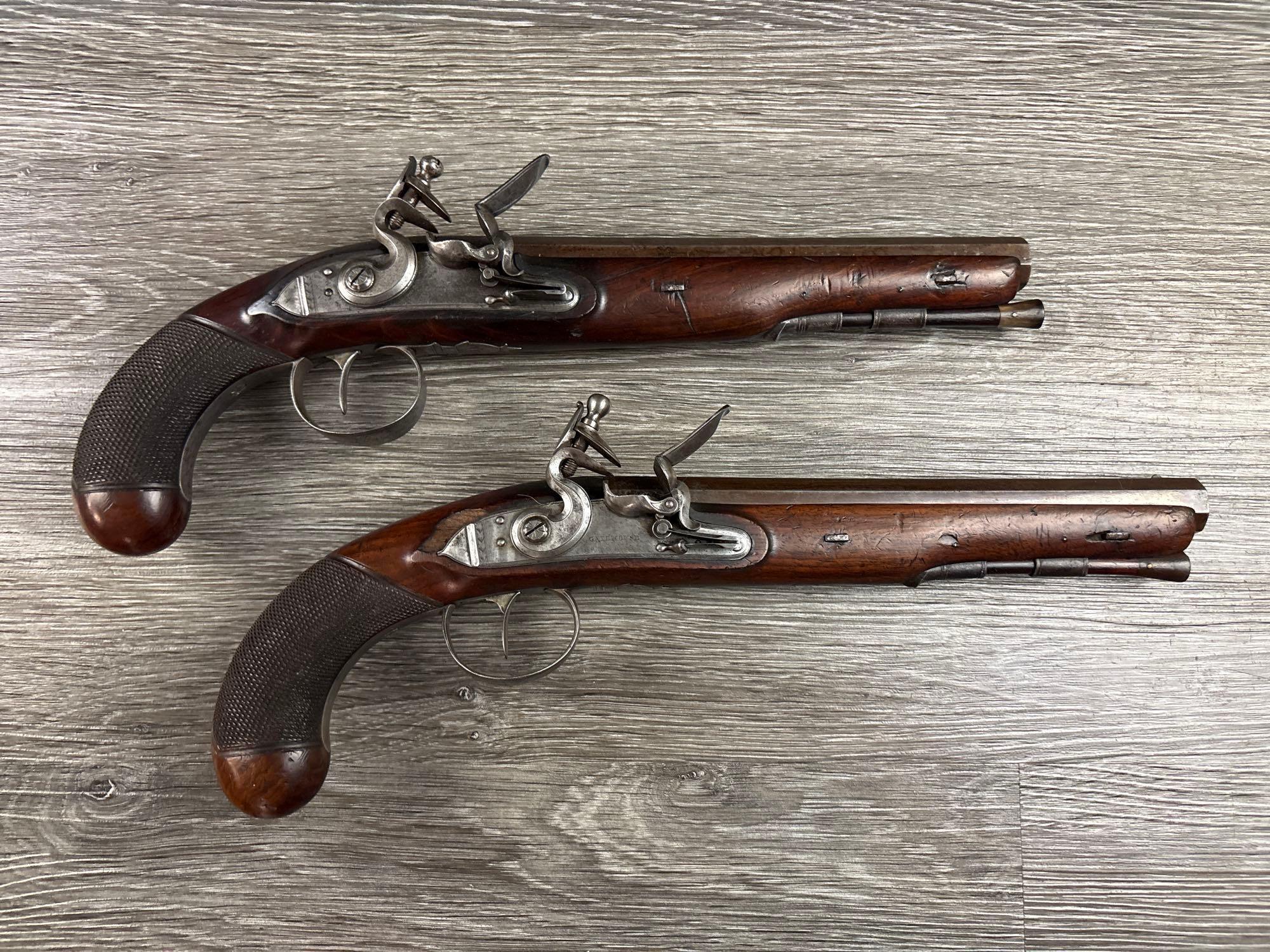
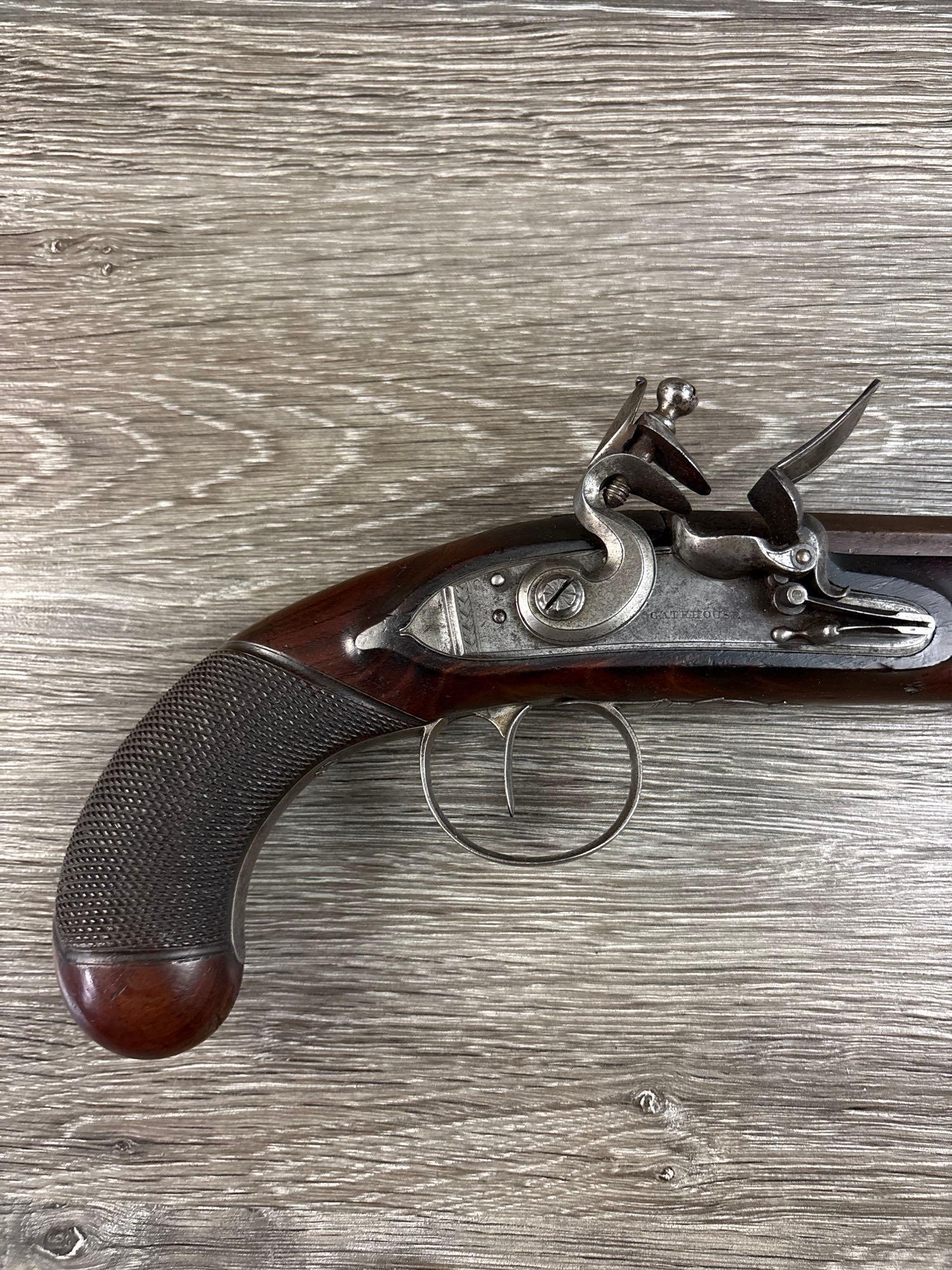
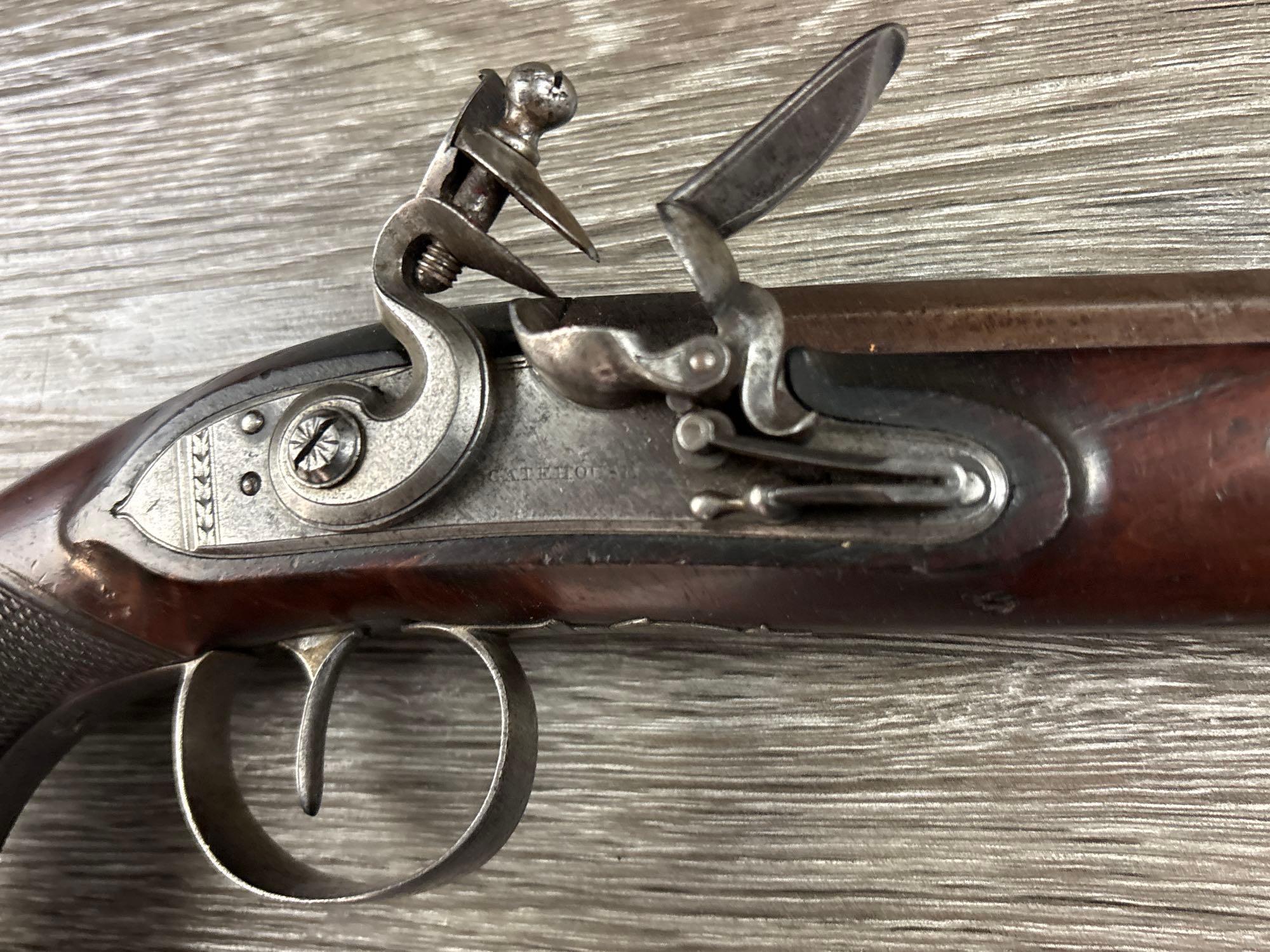
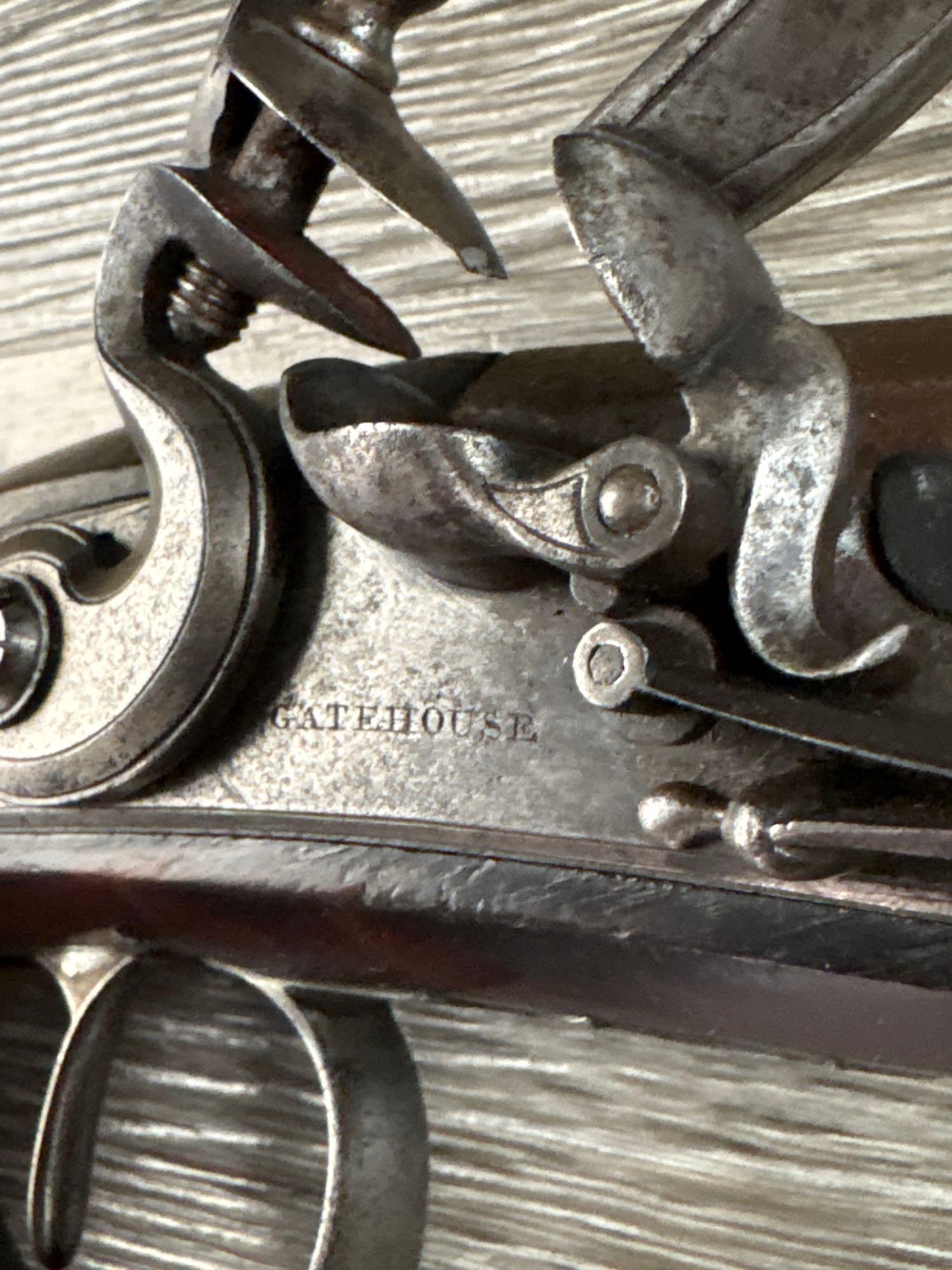
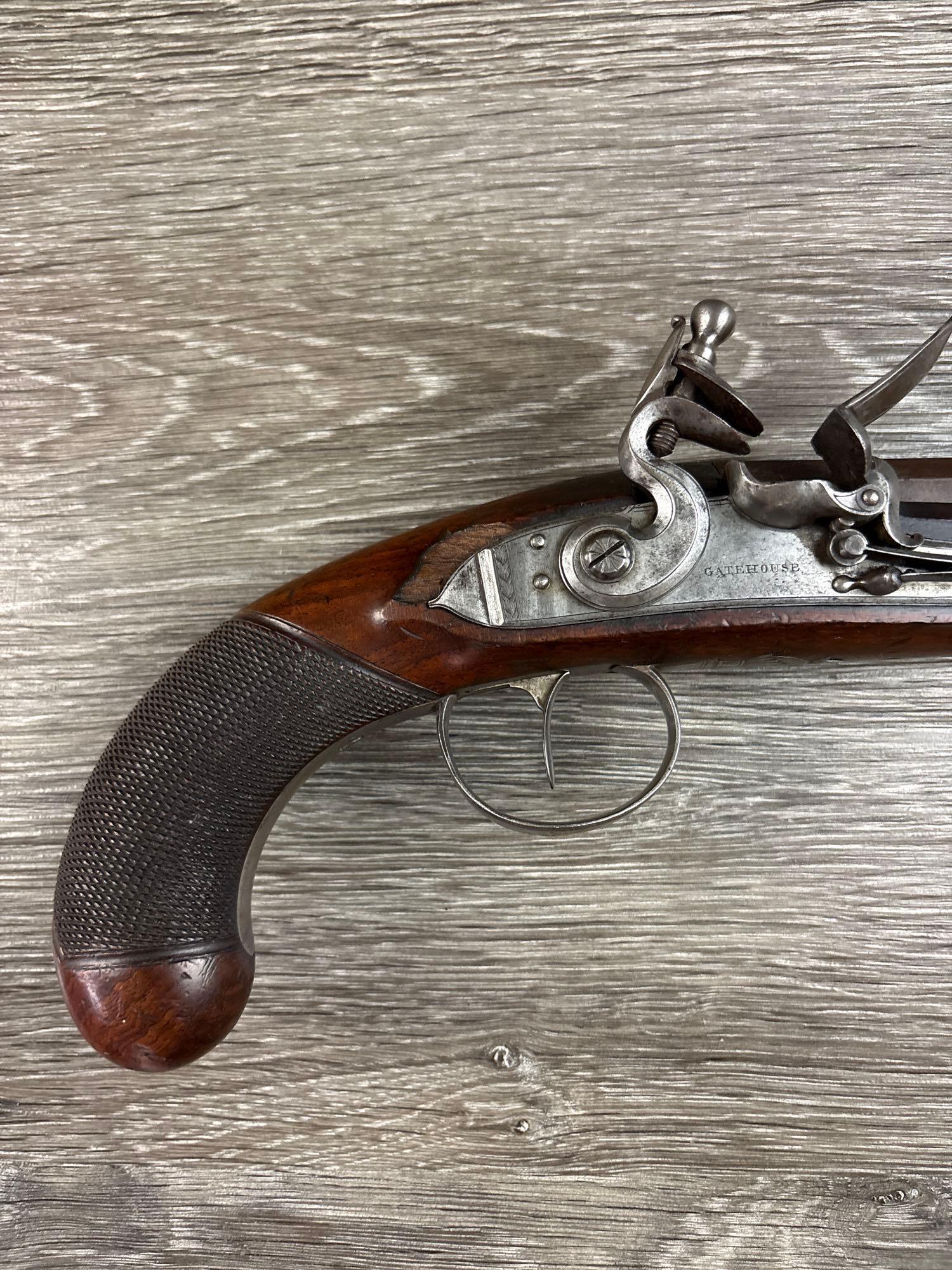
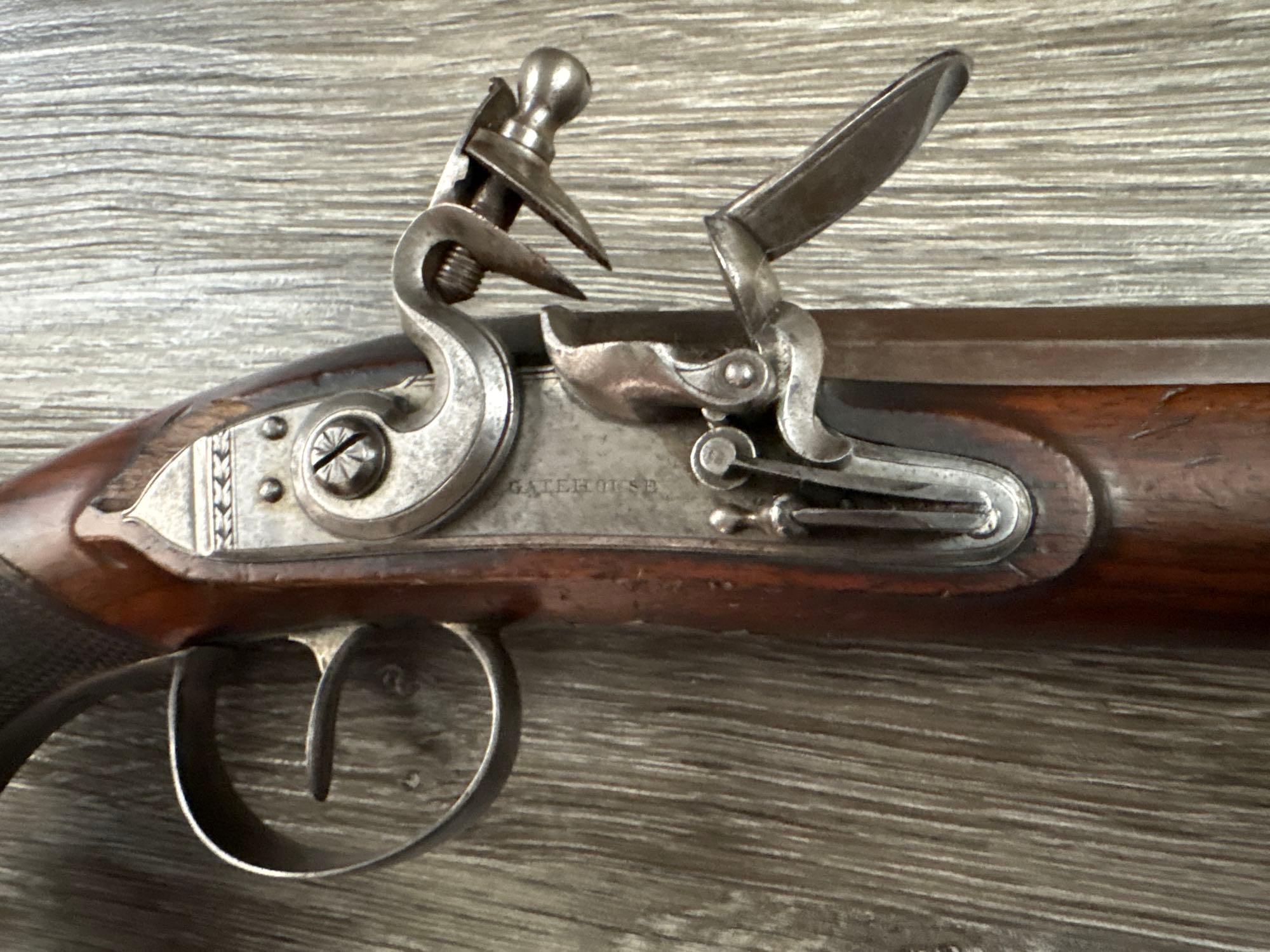
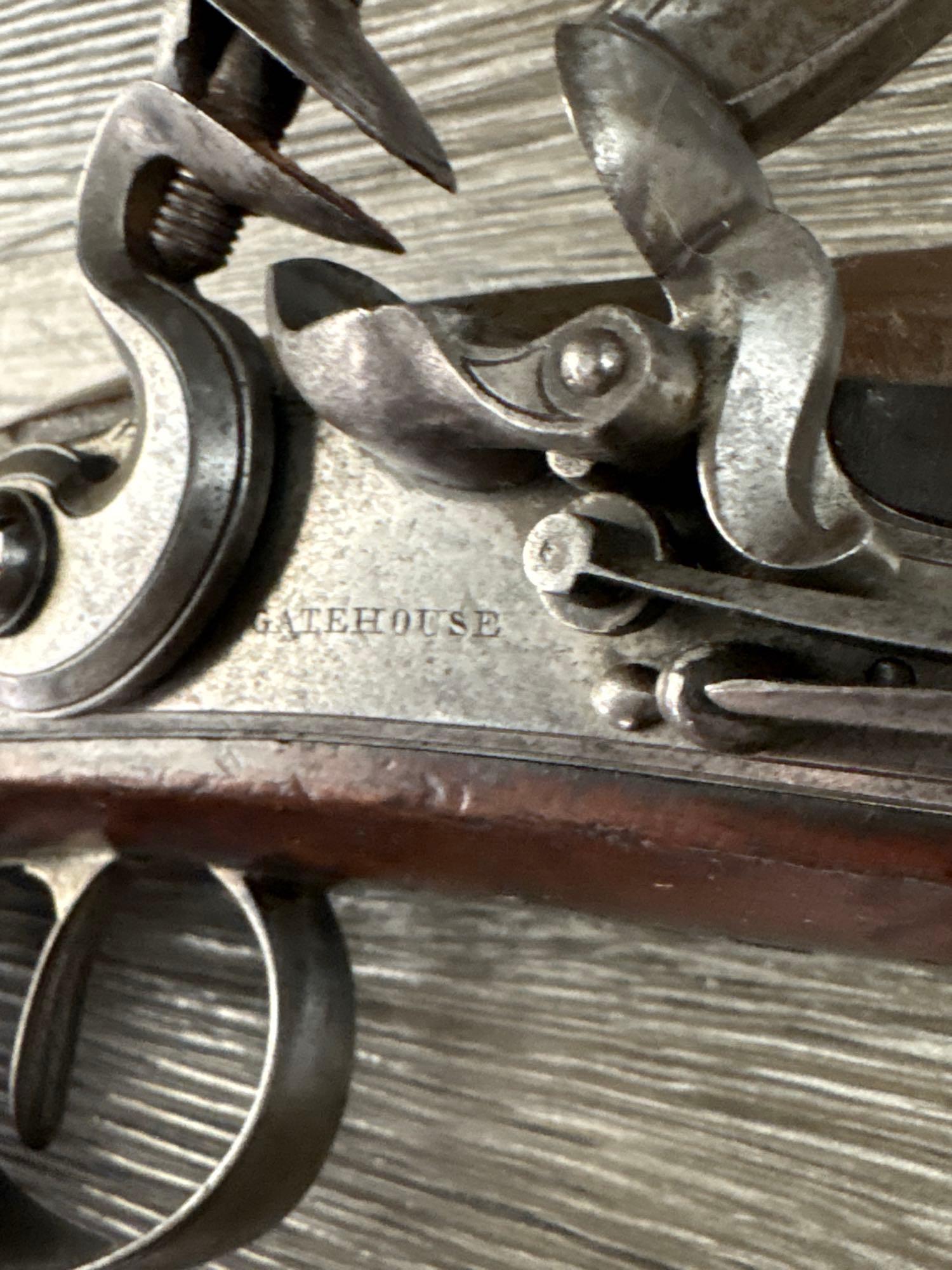
Make: Lockplates marked "GATEHOUSE"
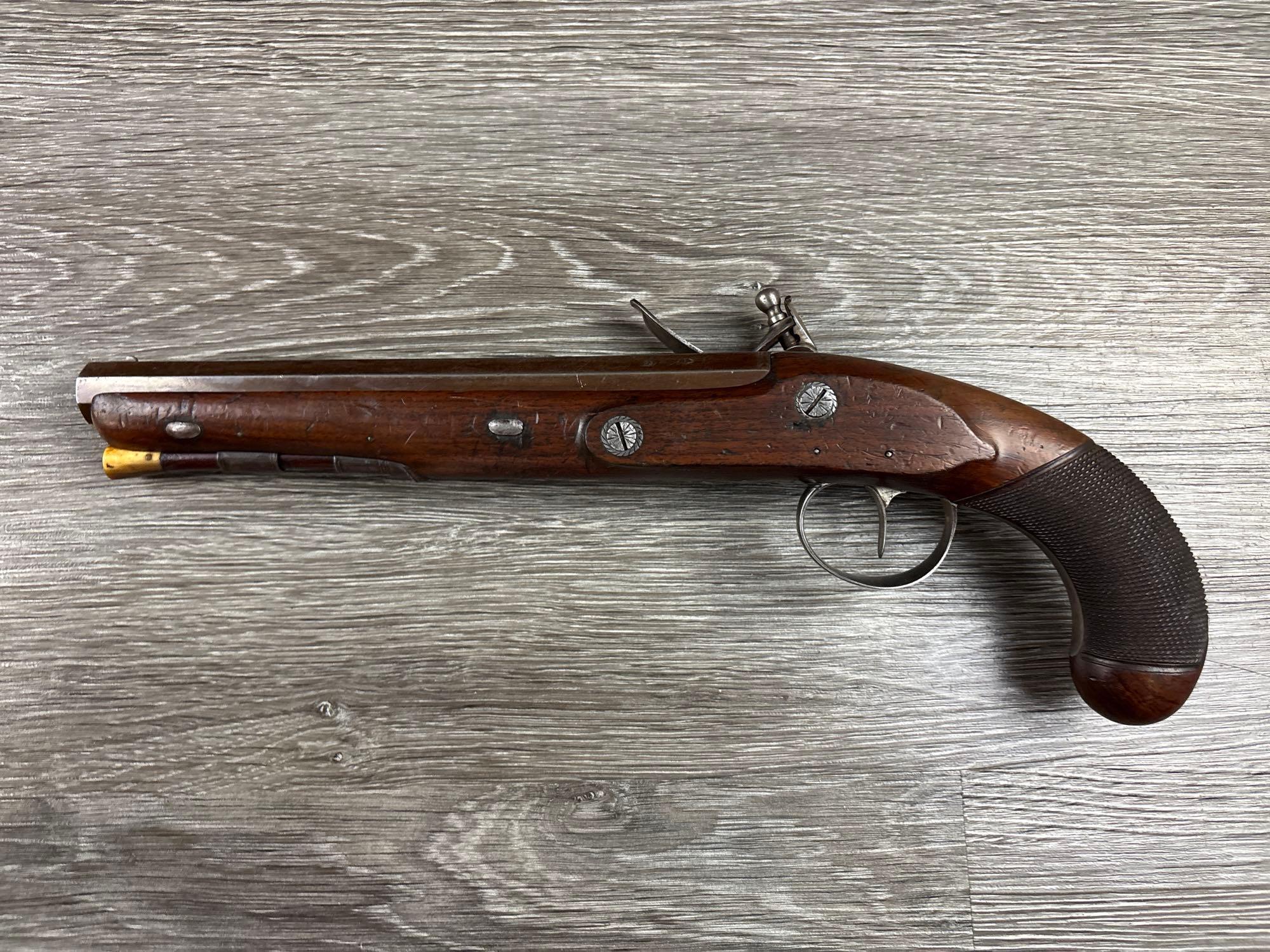
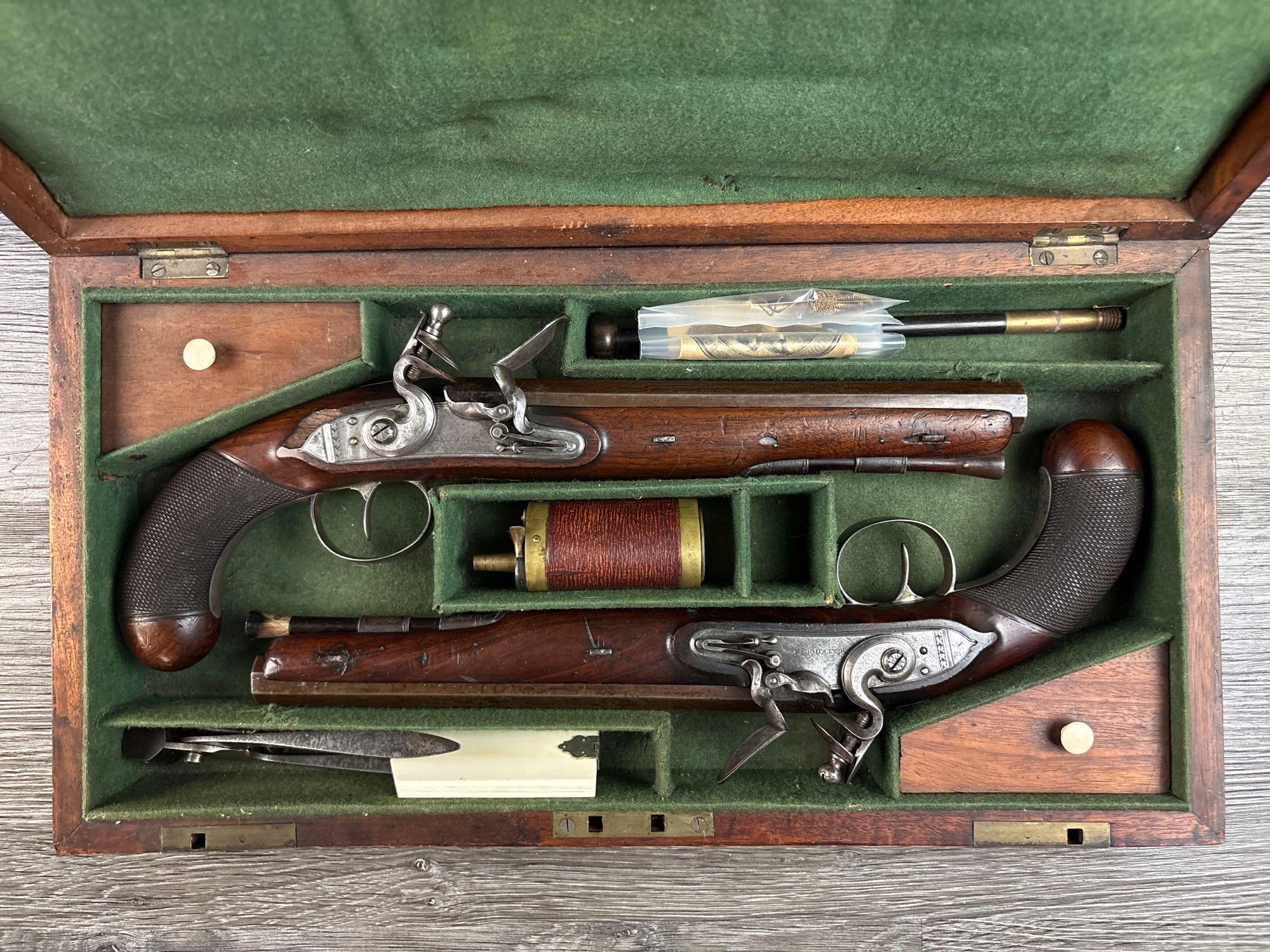
Model: Pair of Flintlock Pistols
Serial #: NVSNs
Caliber: .62
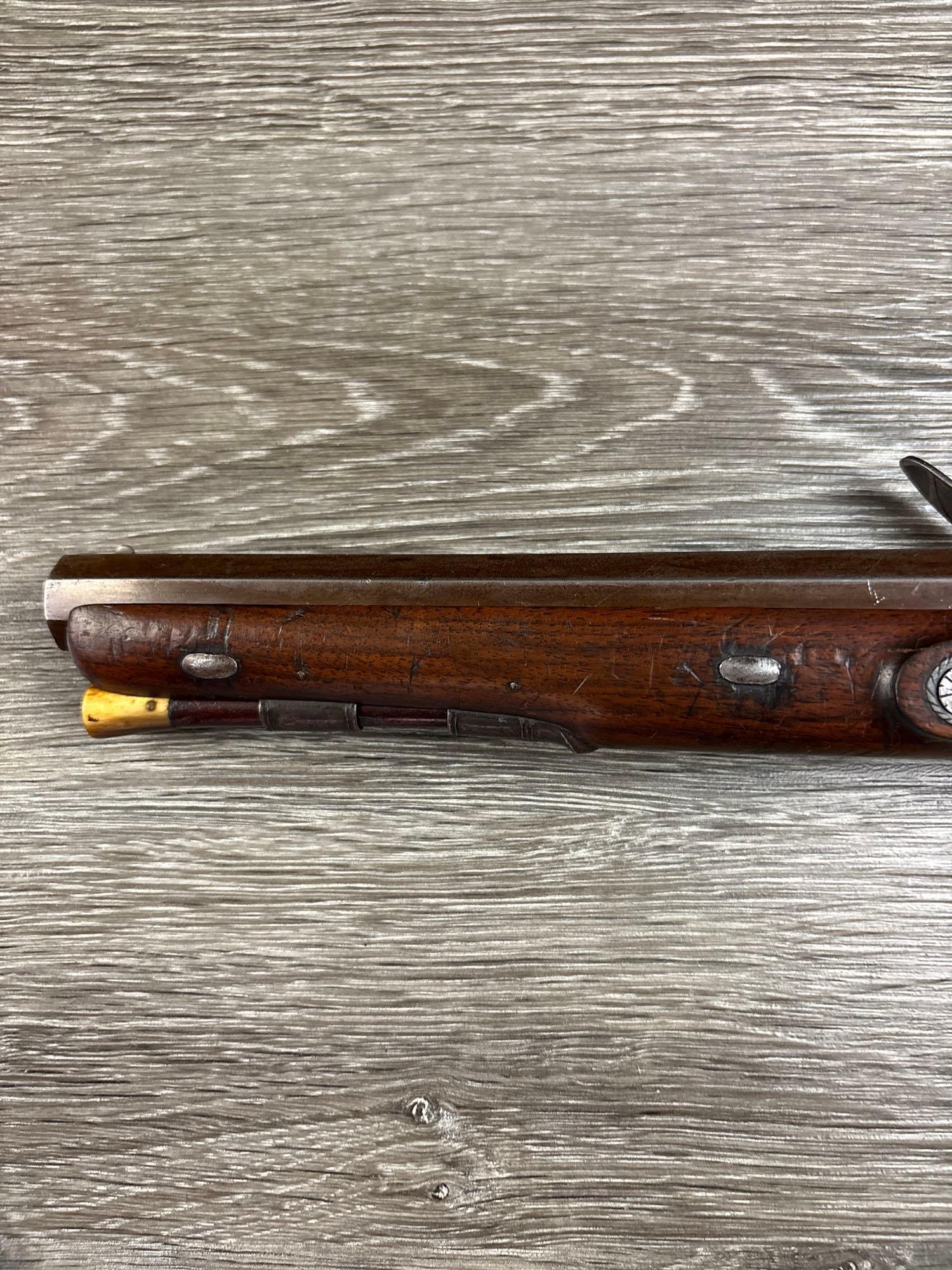
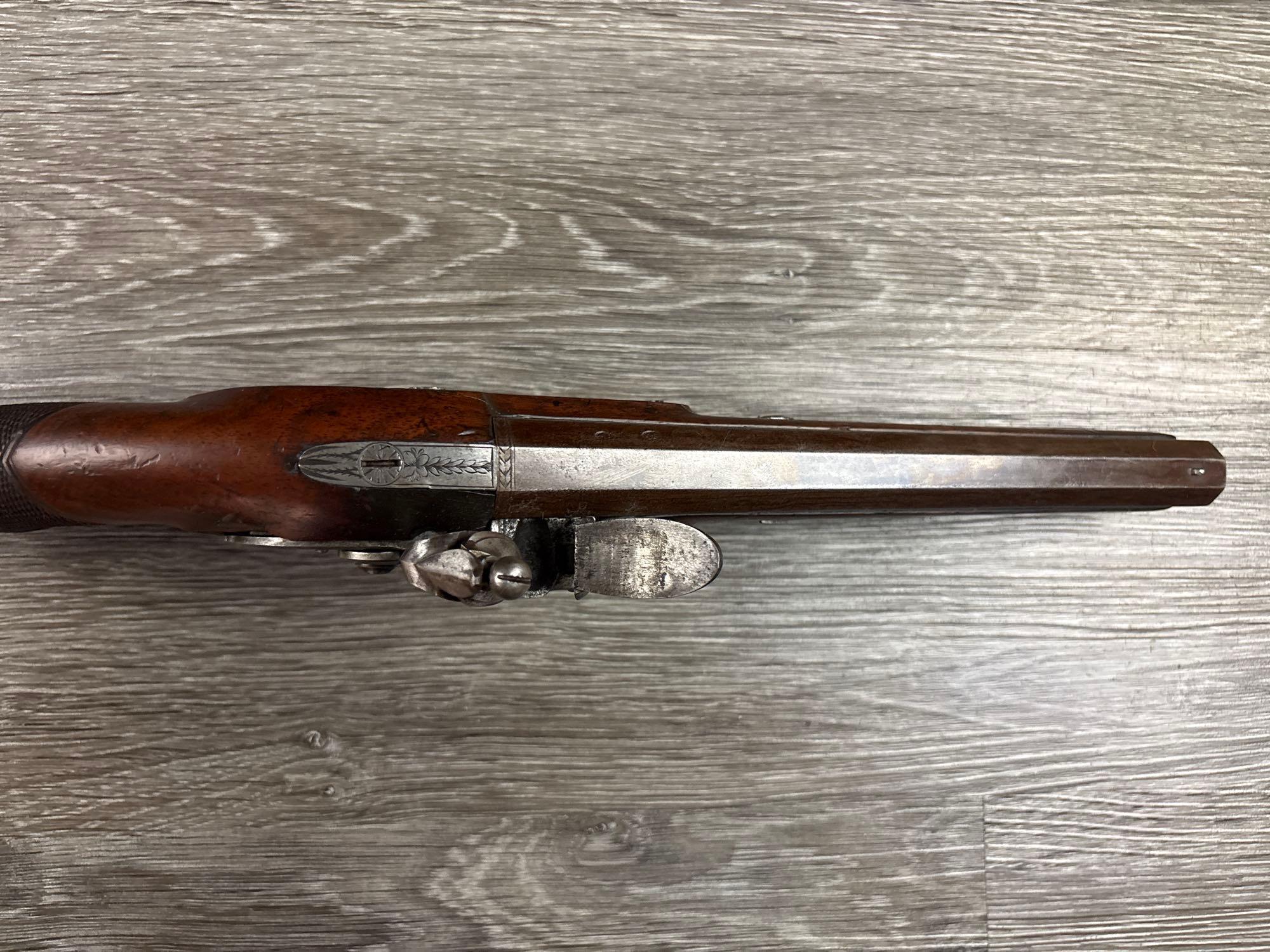
Barrel Length: 9" octagon
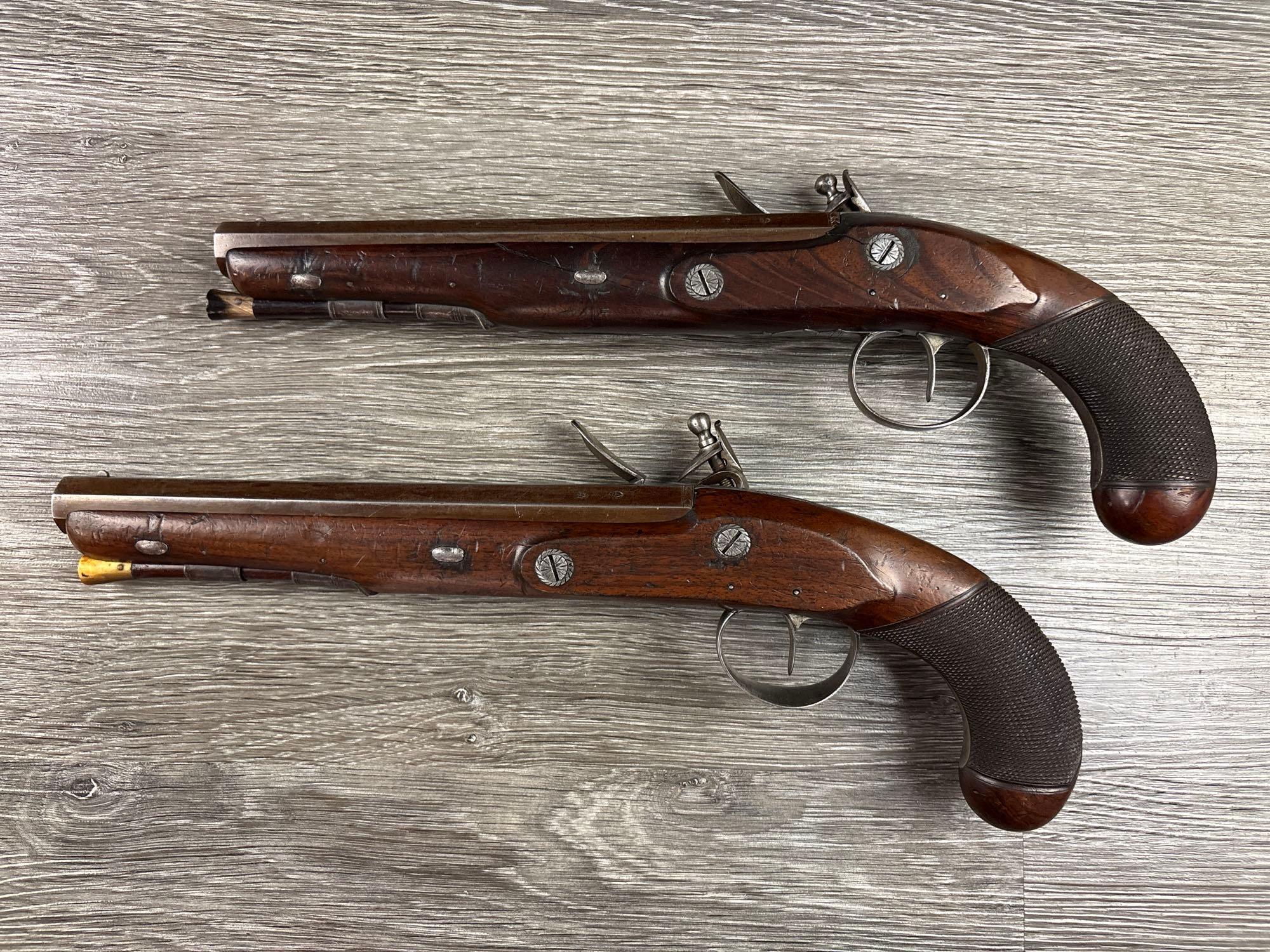
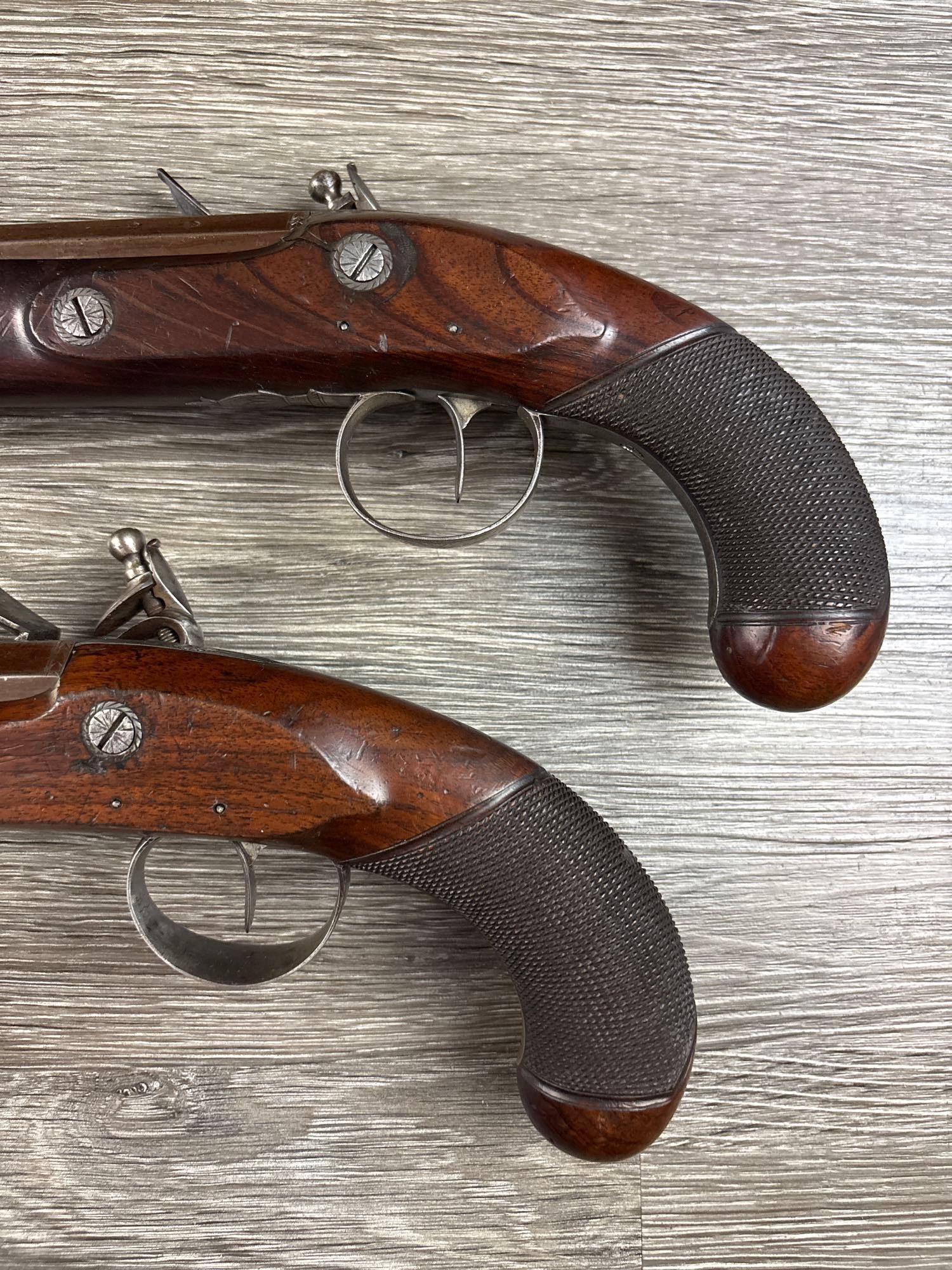
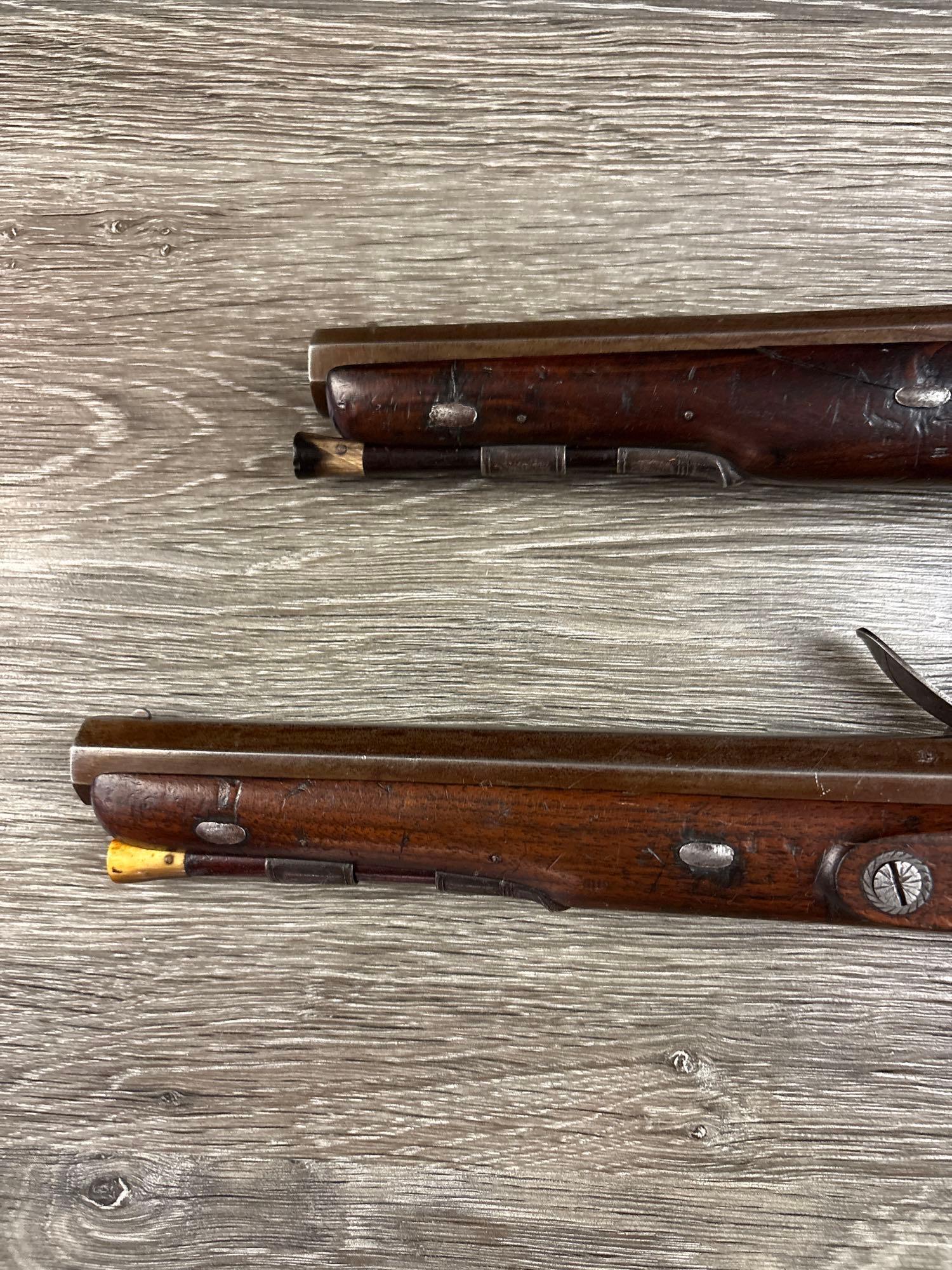
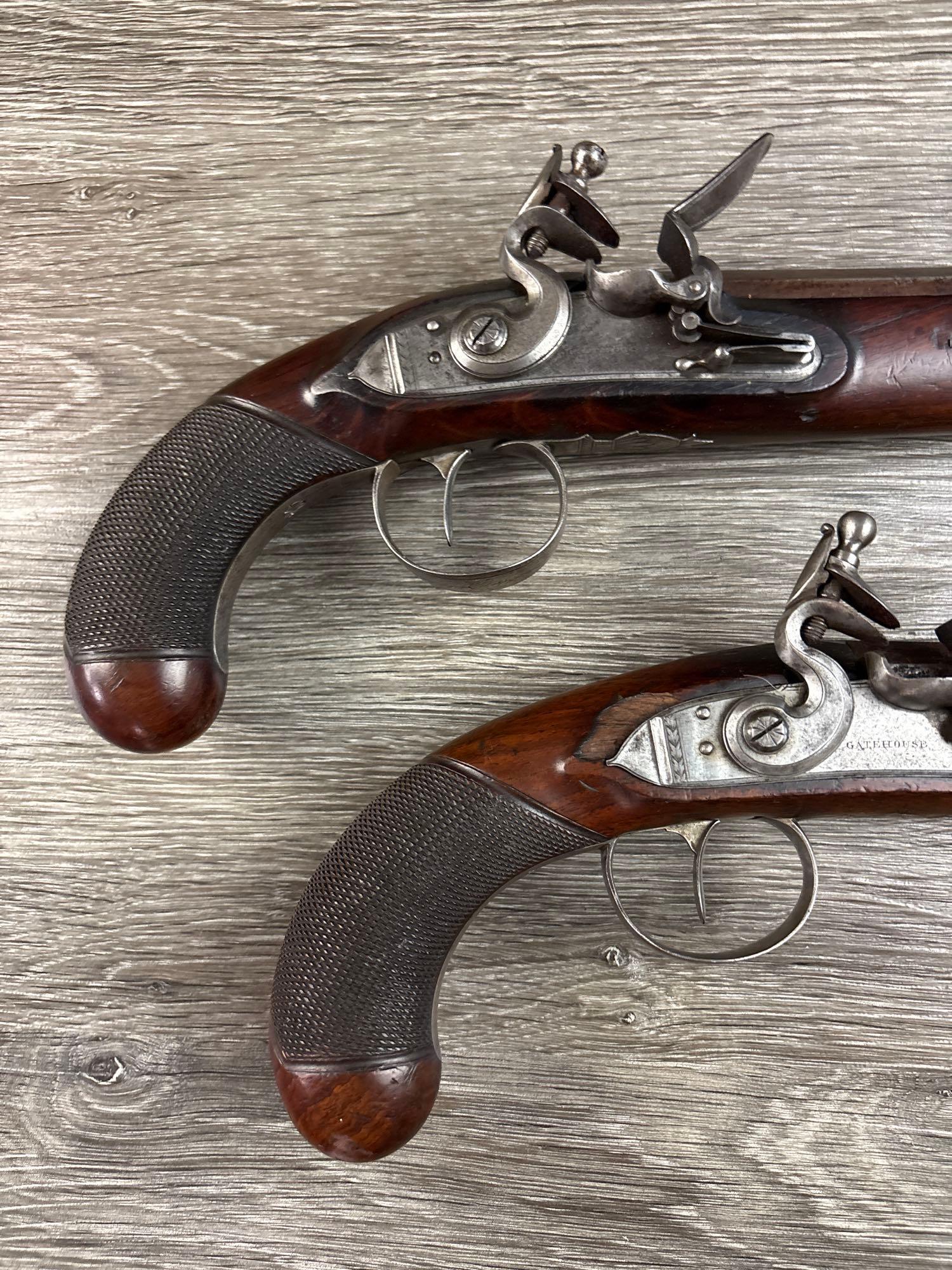
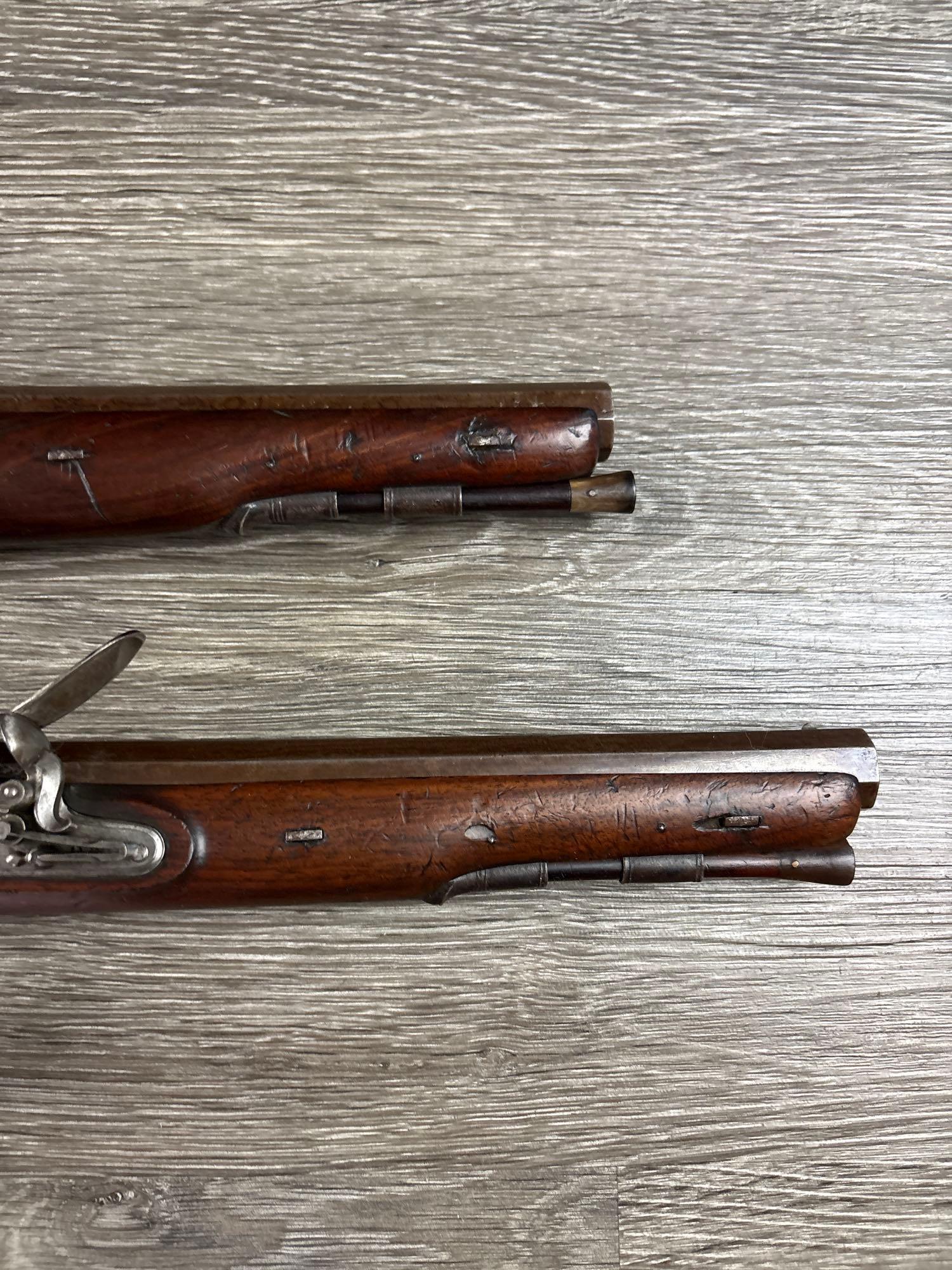
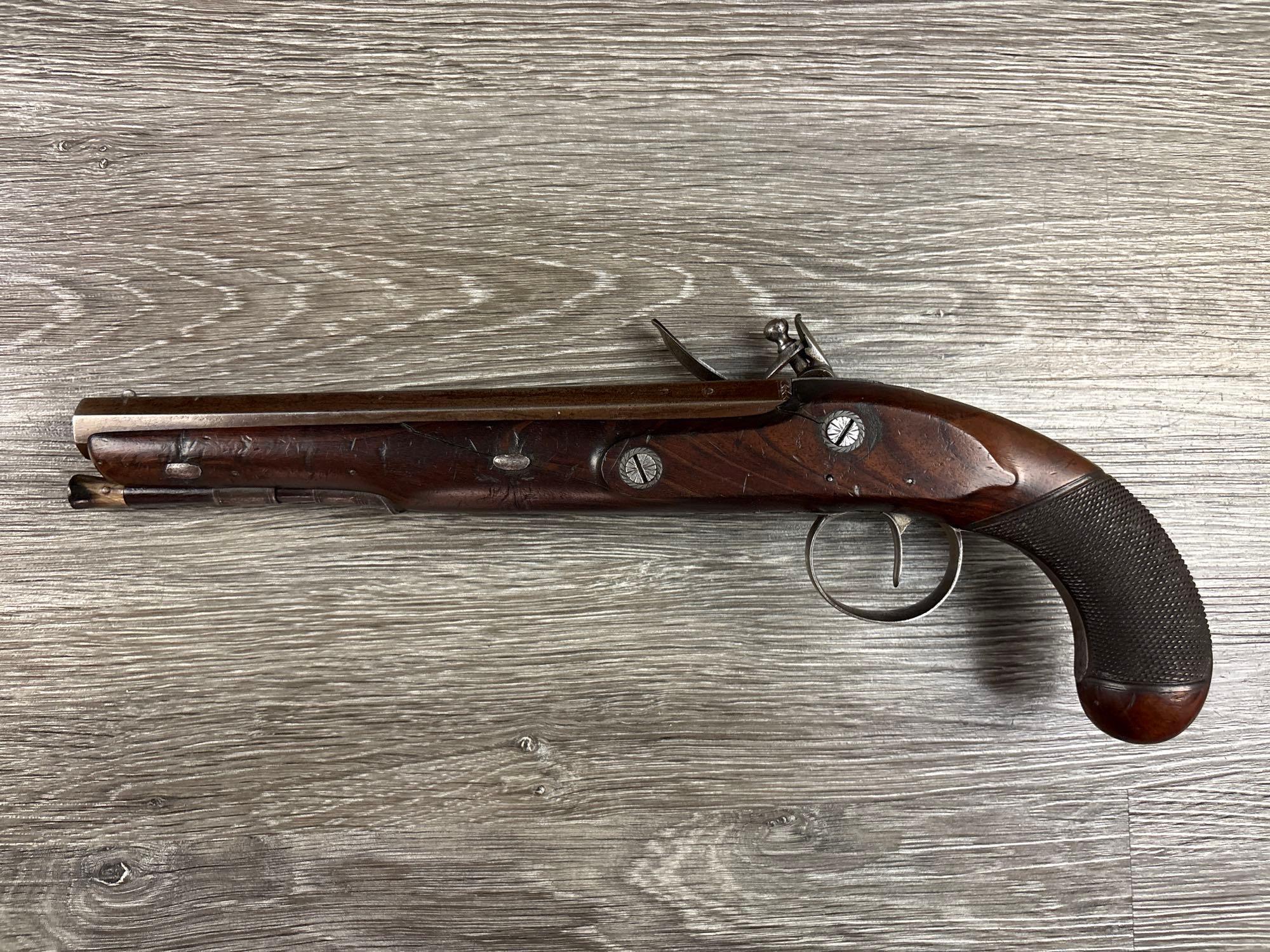
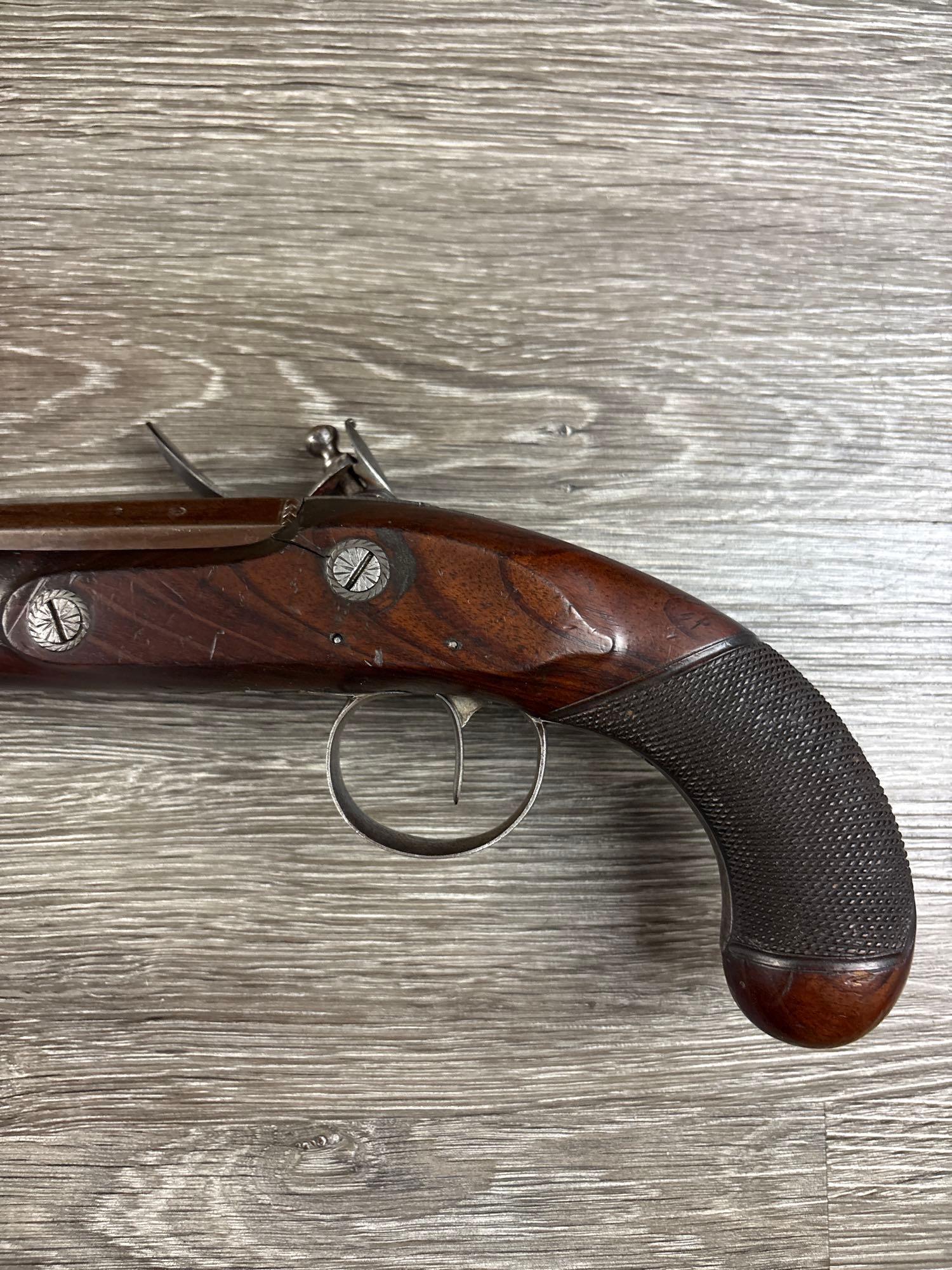
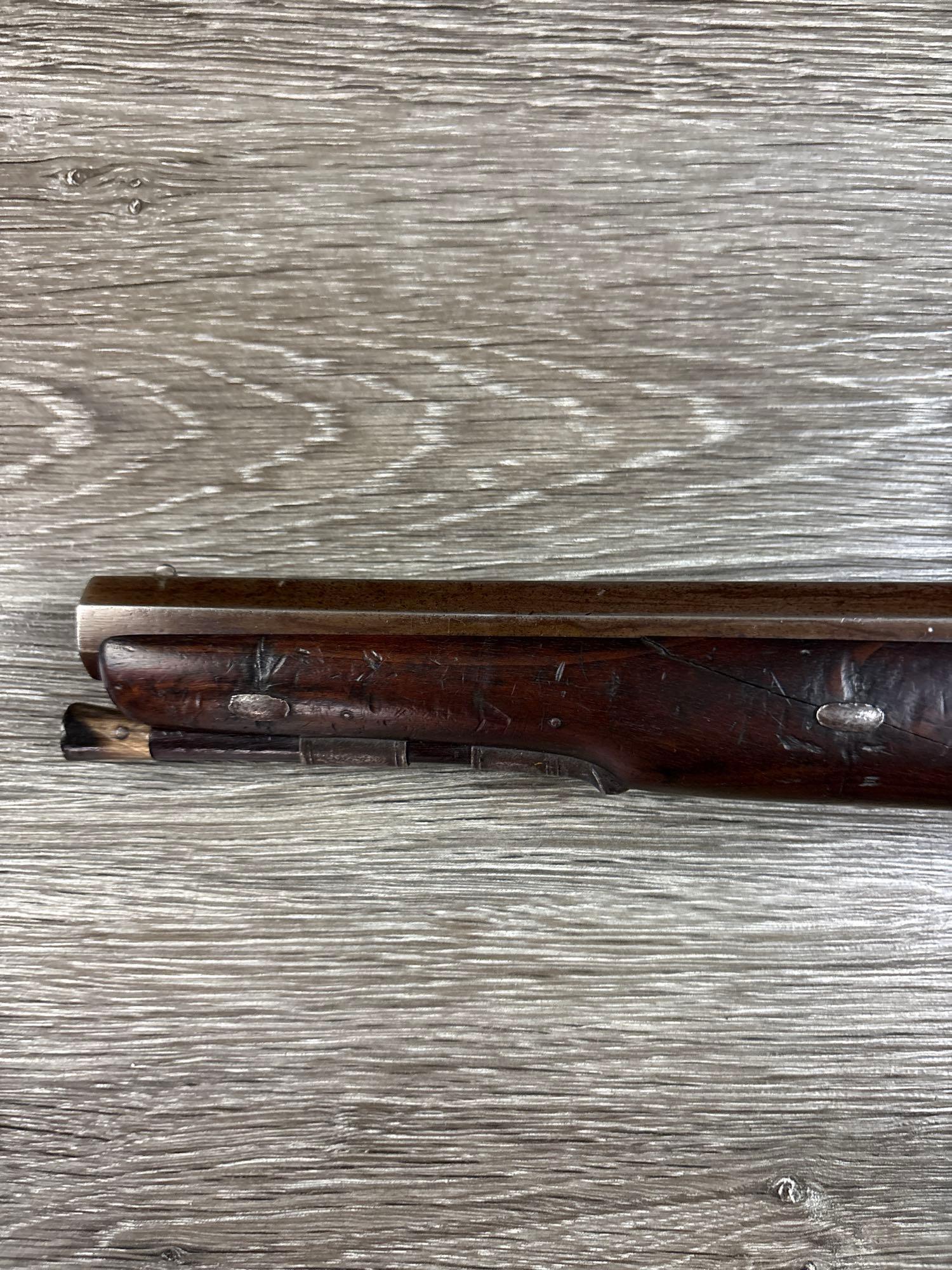
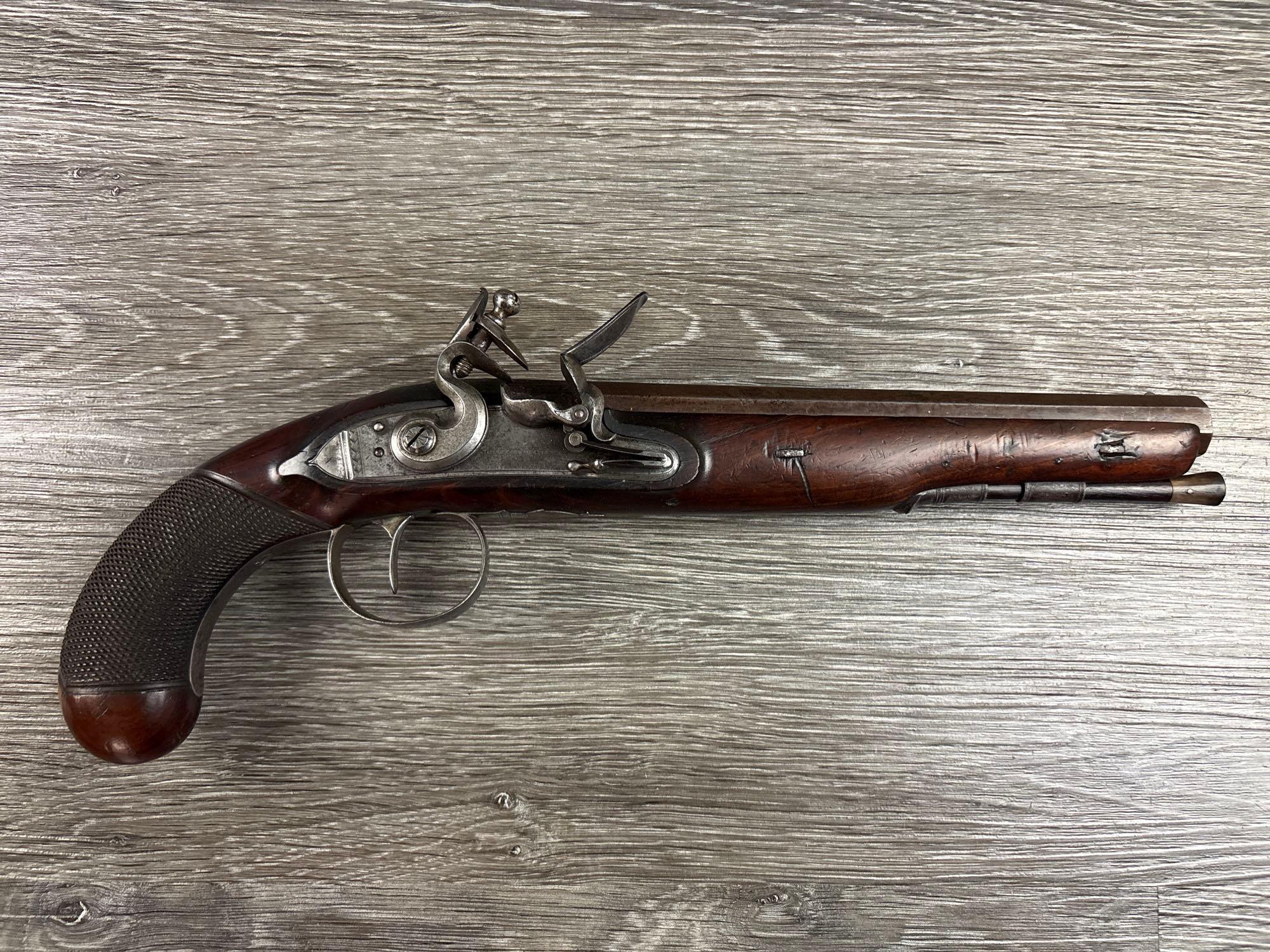
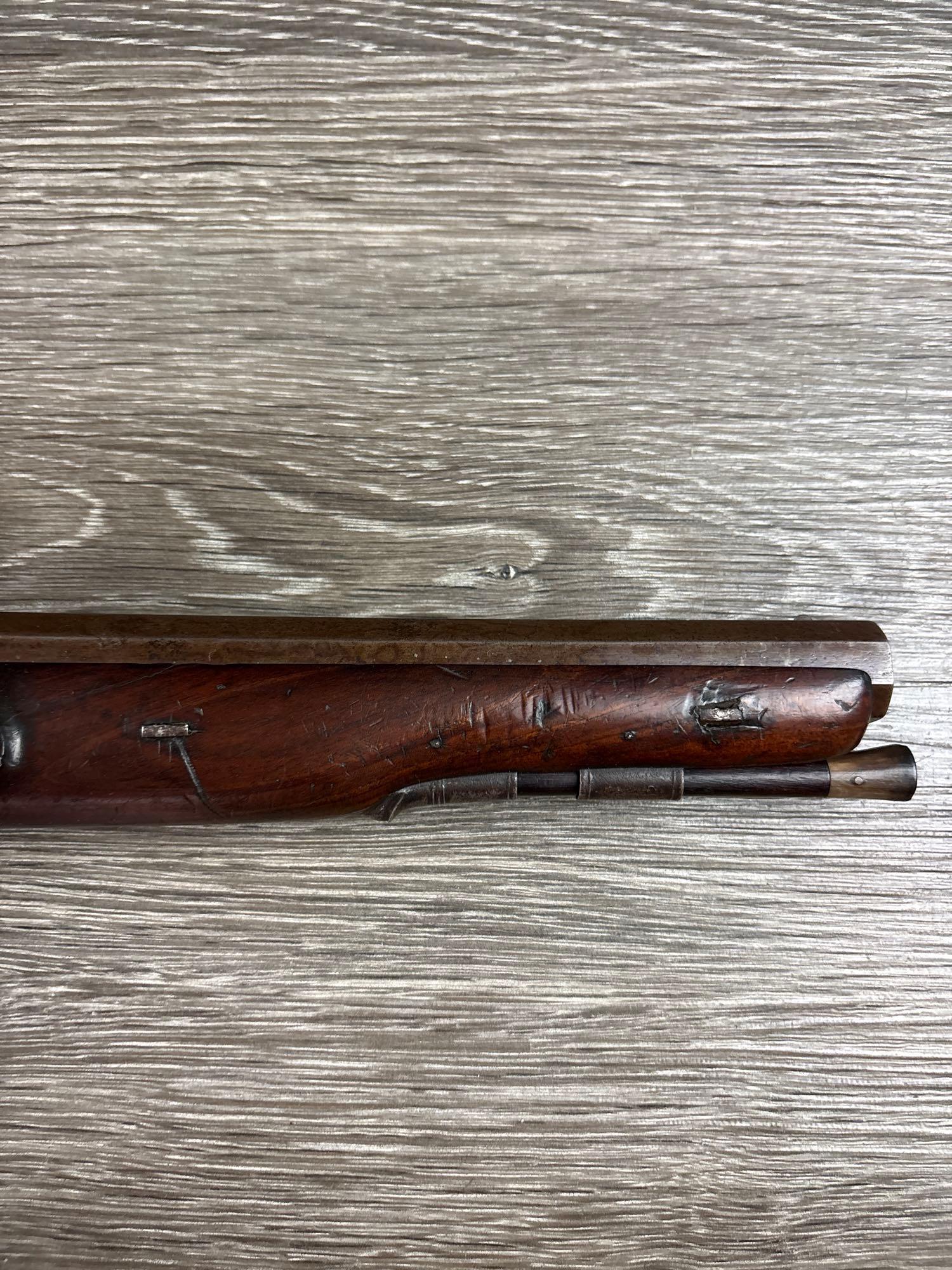
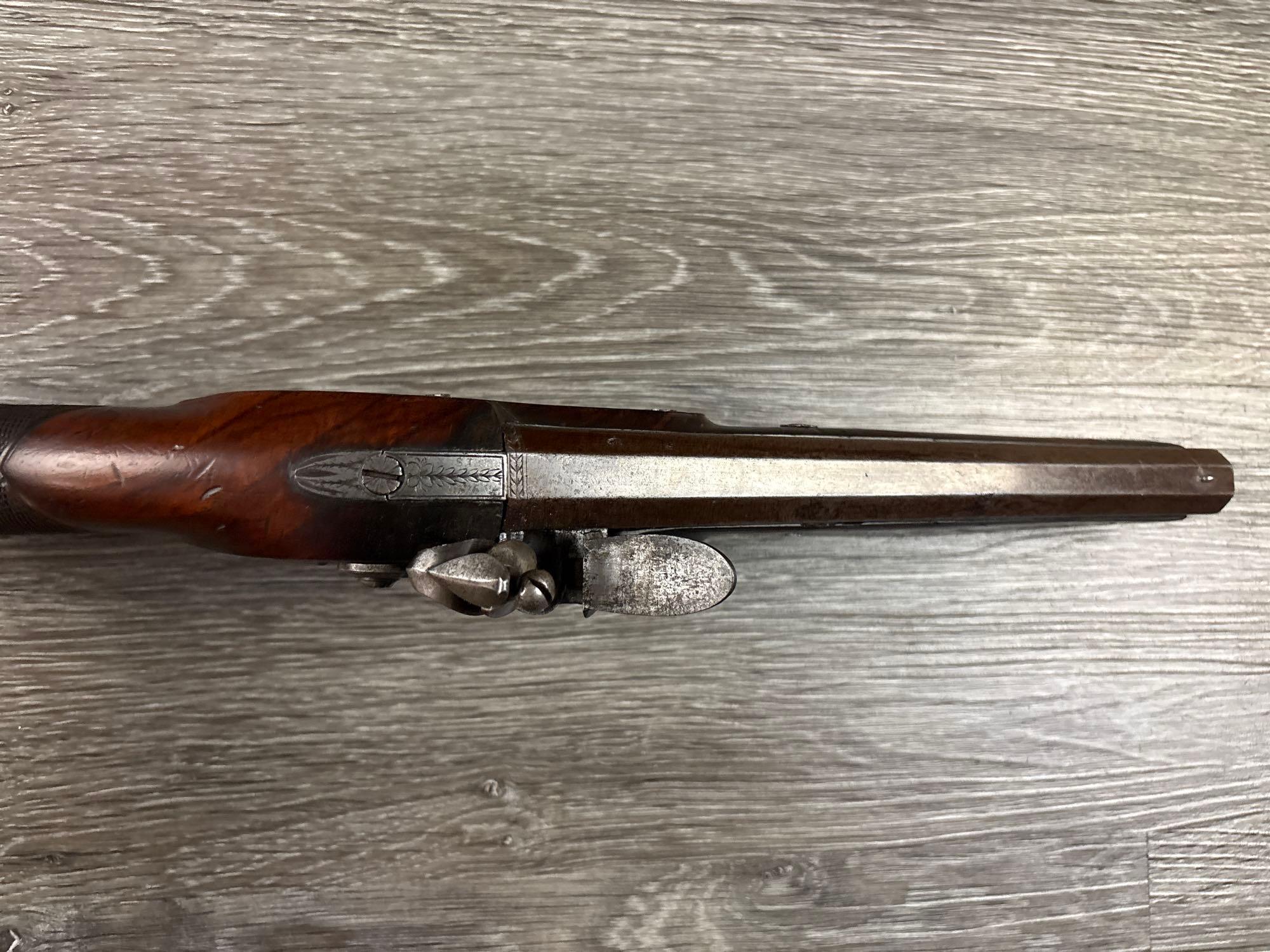
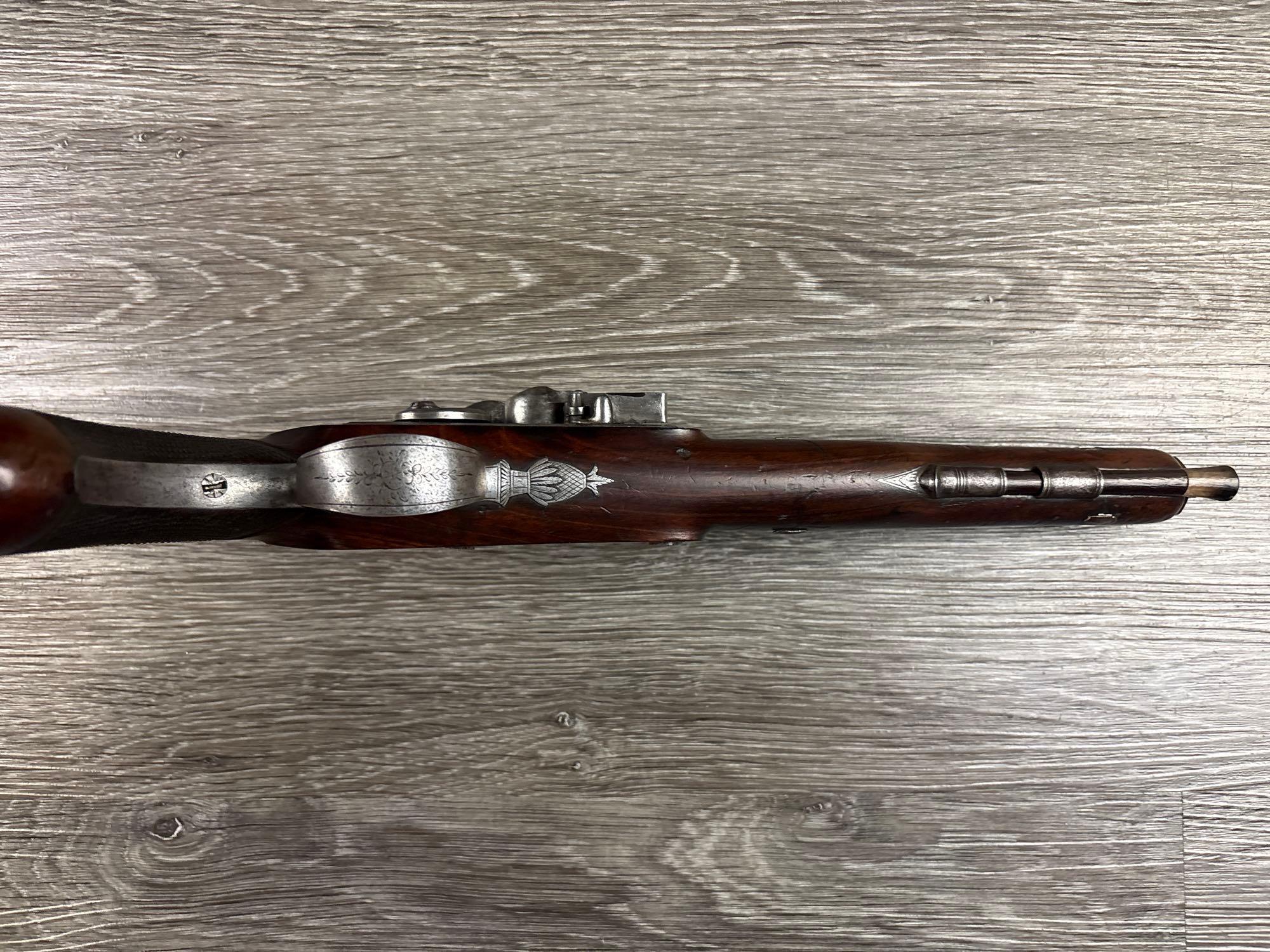
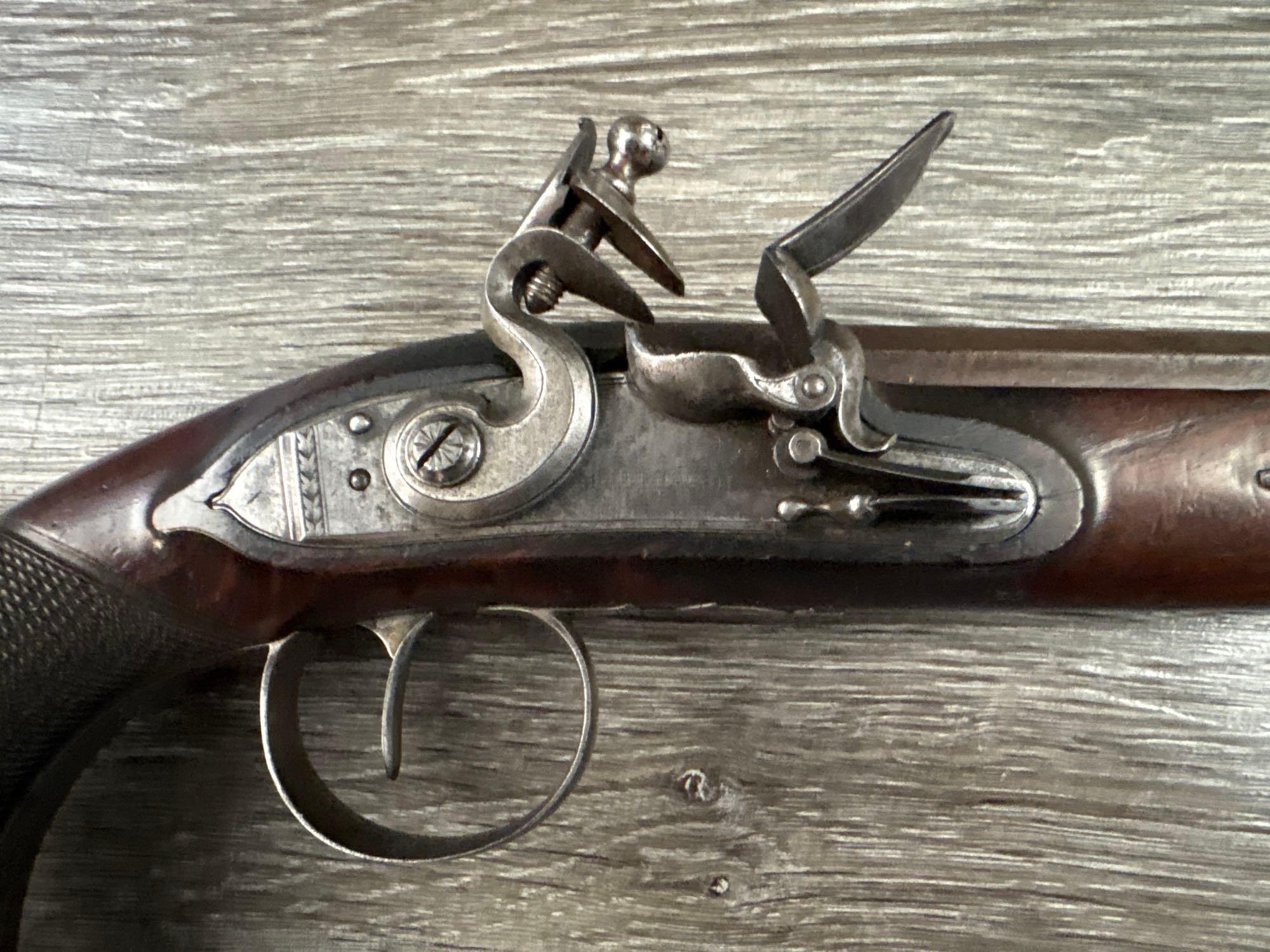
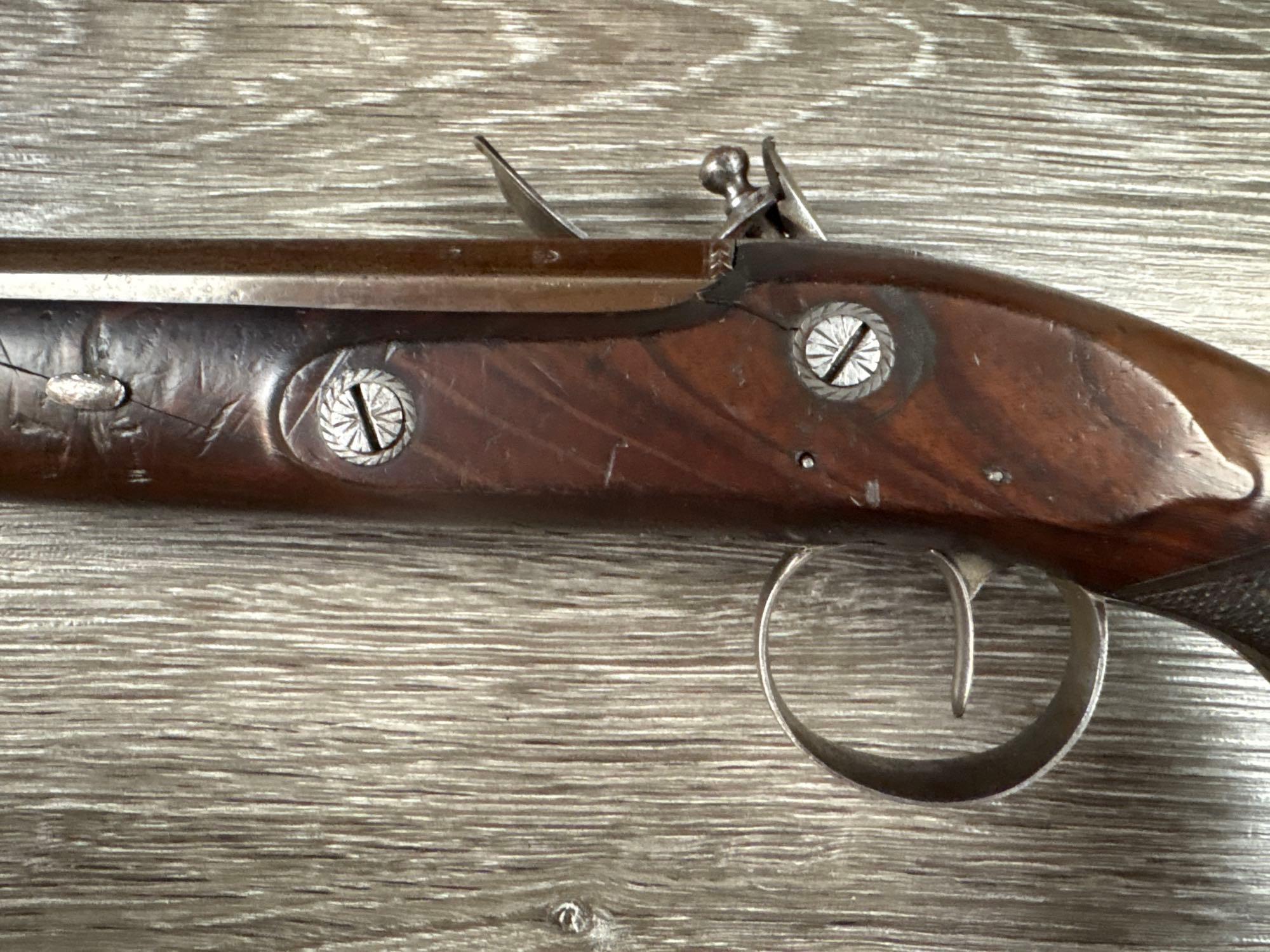
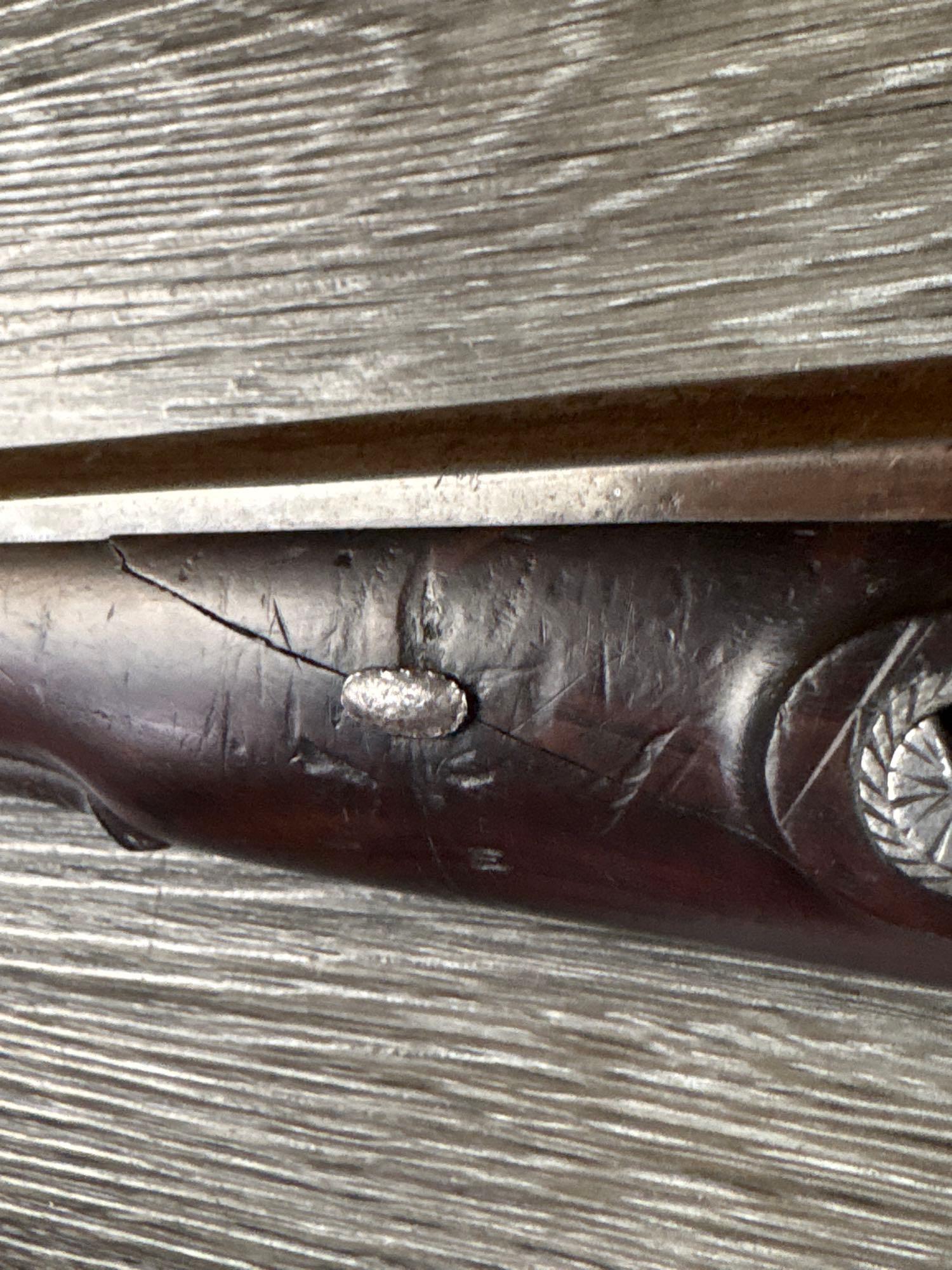
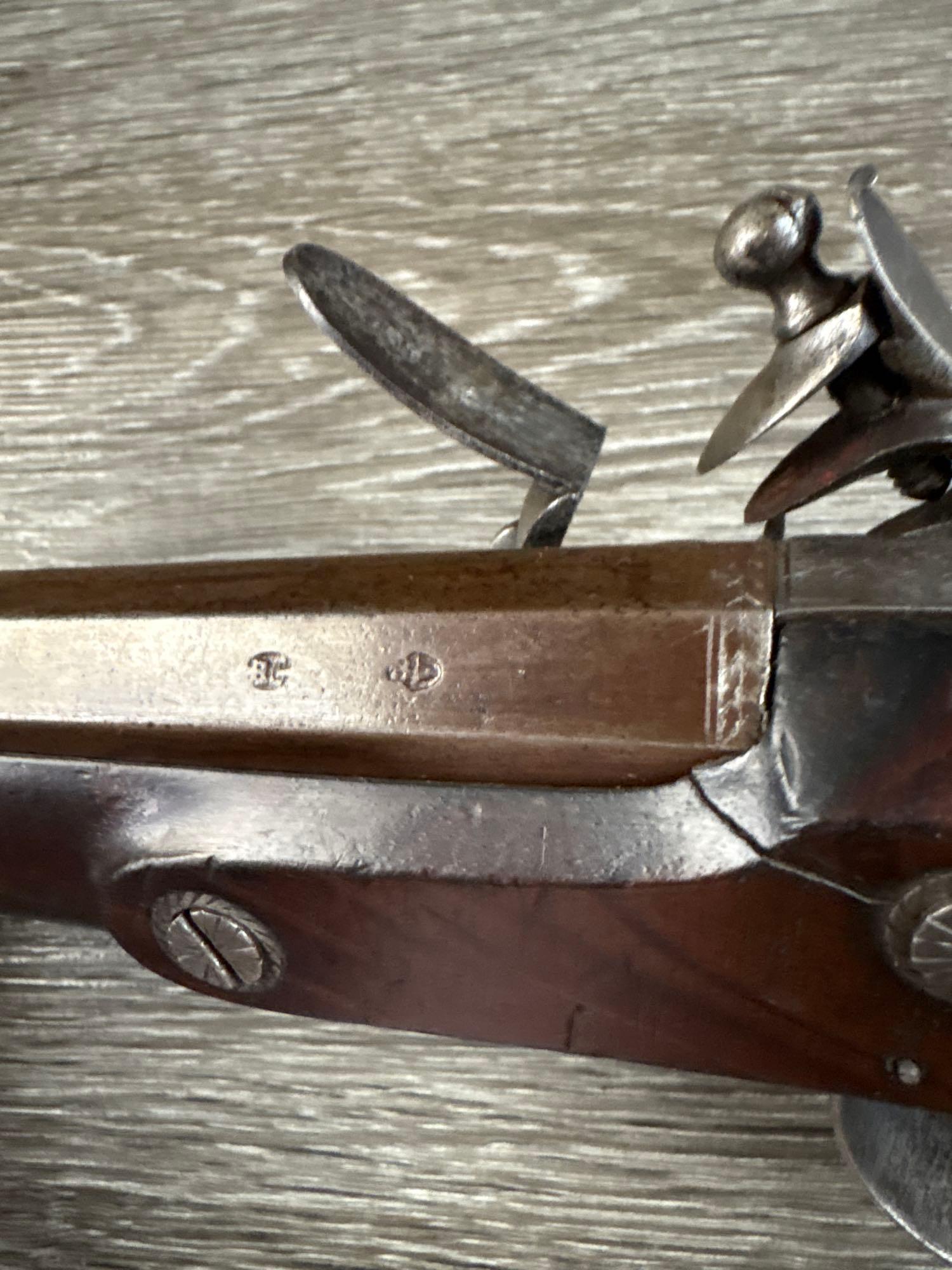
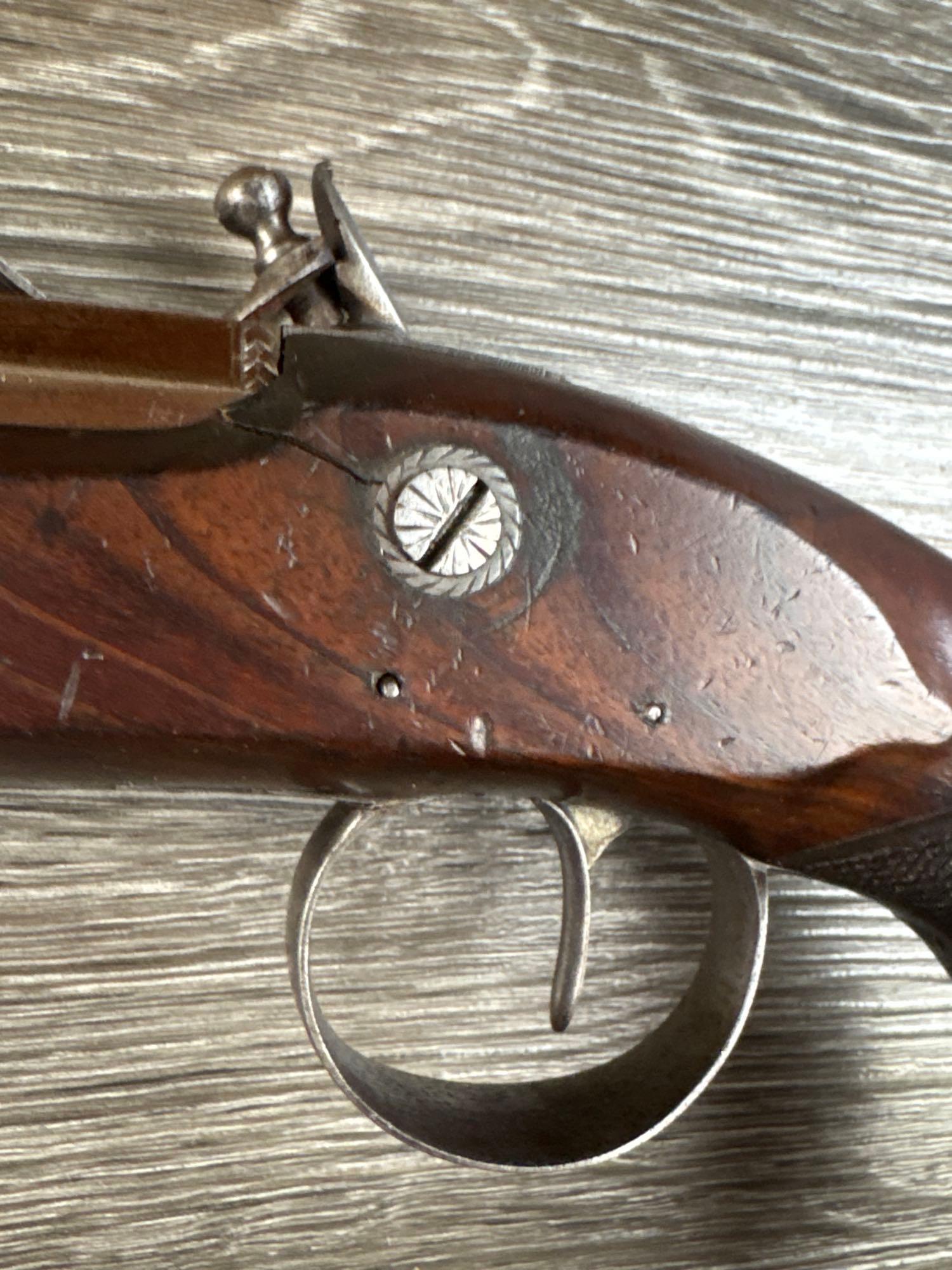
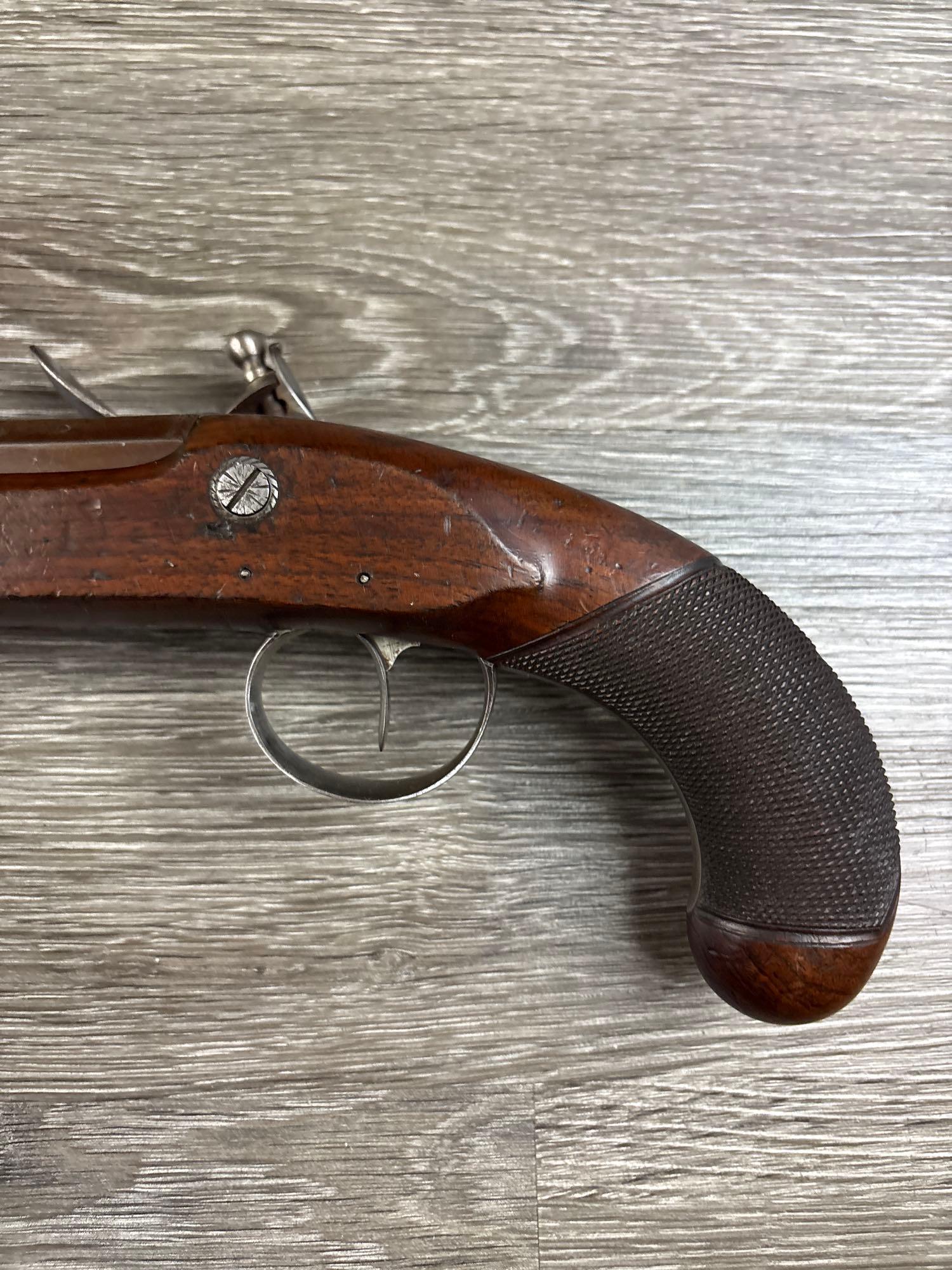
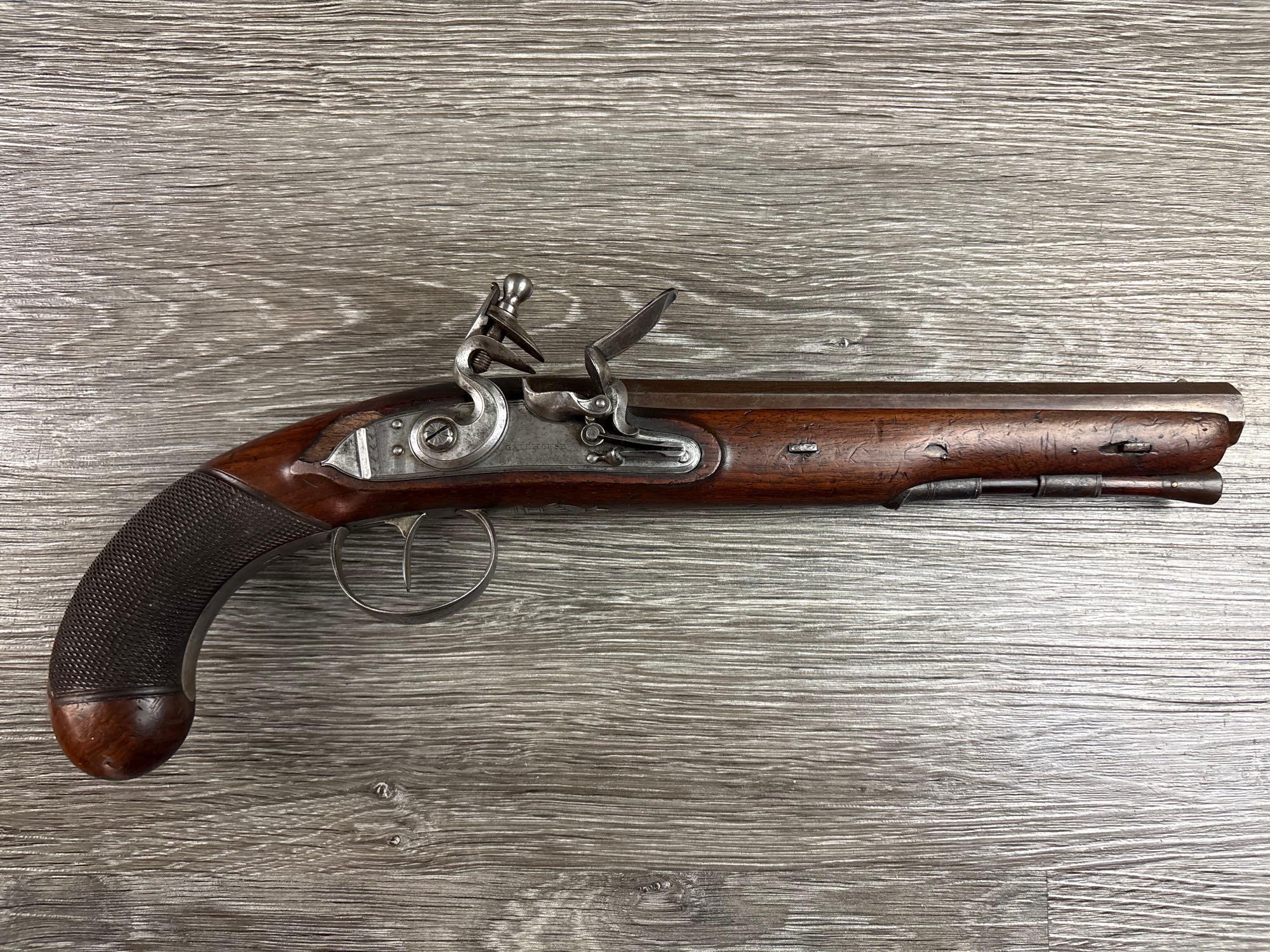
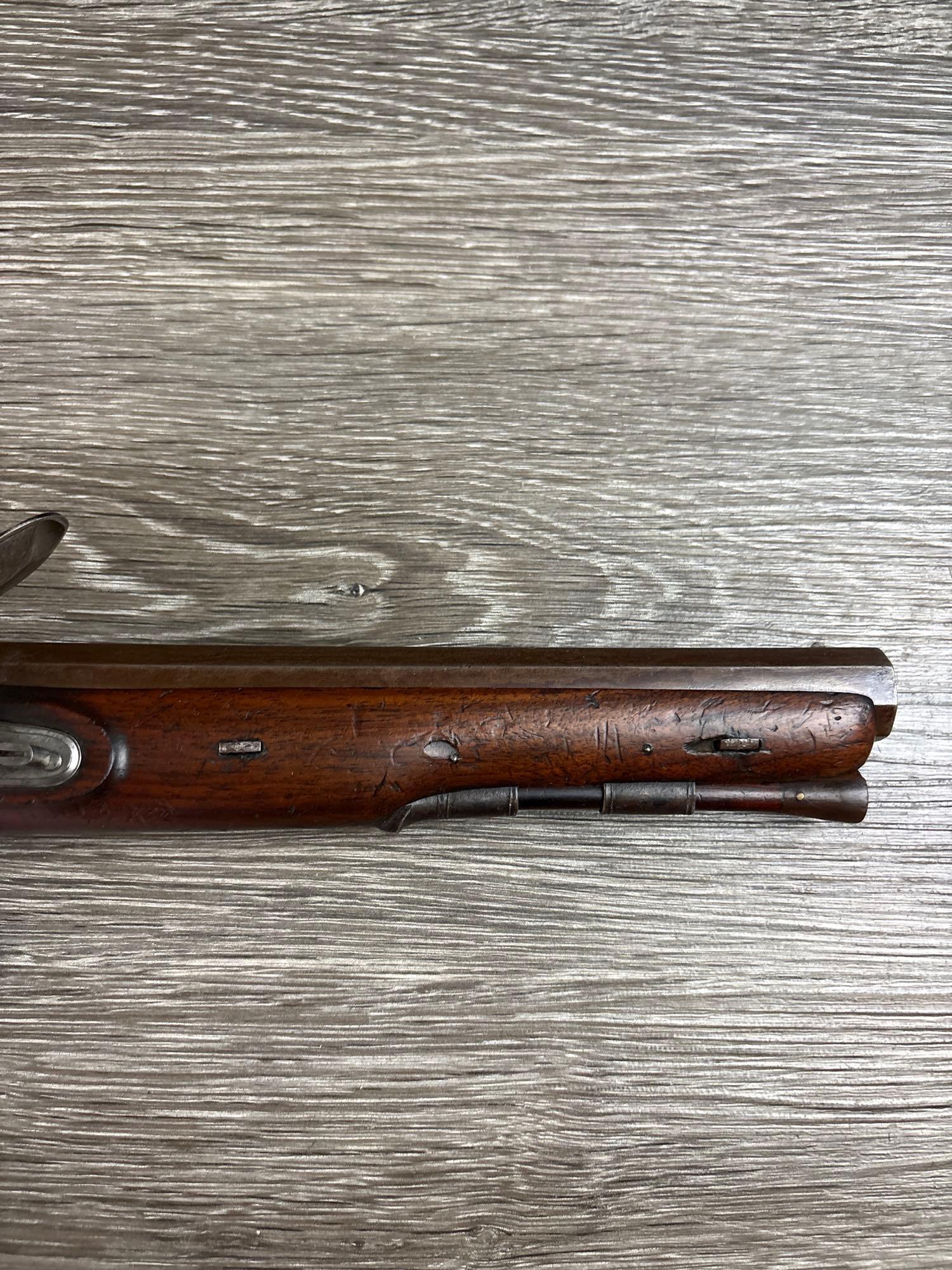
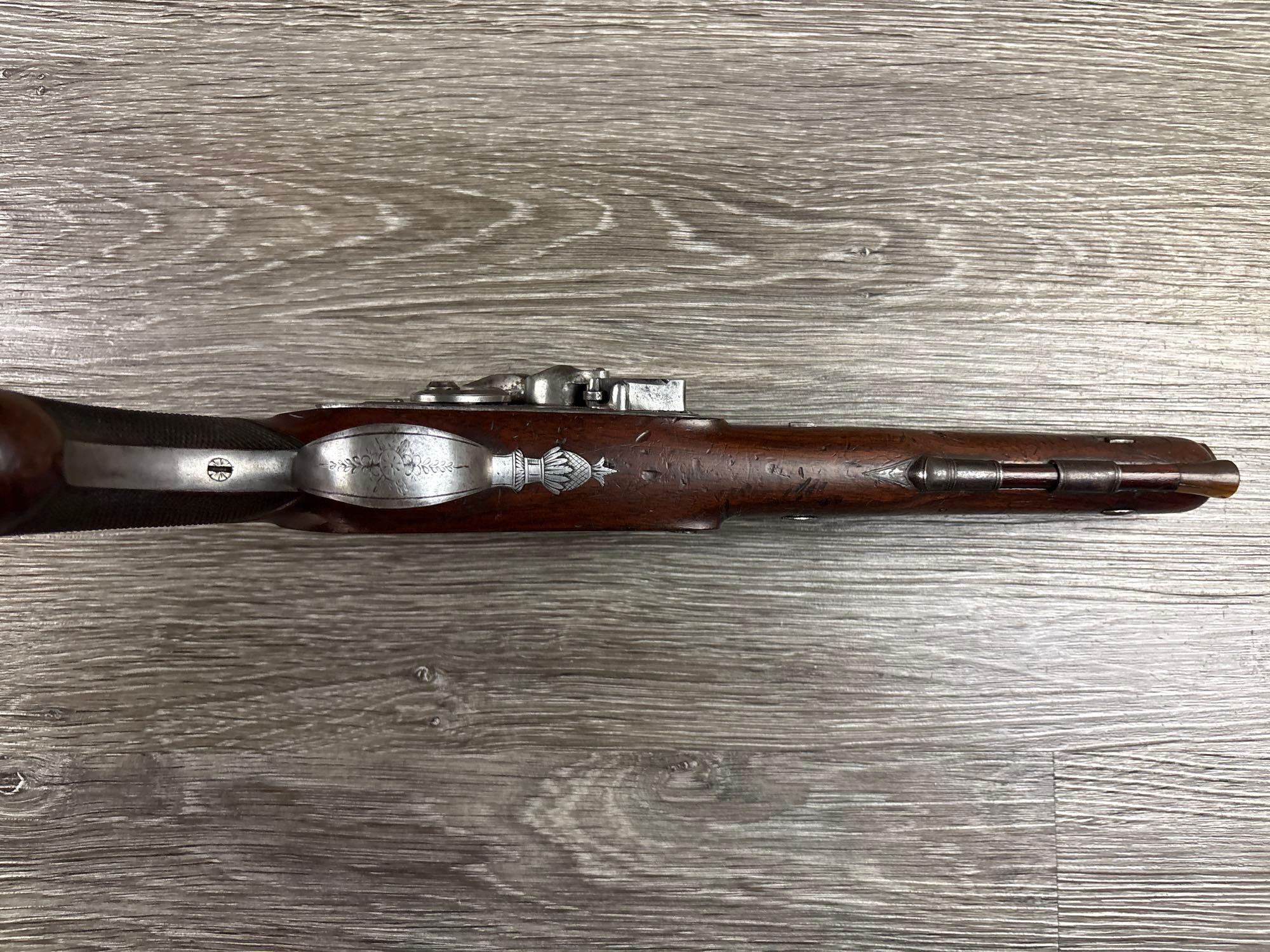
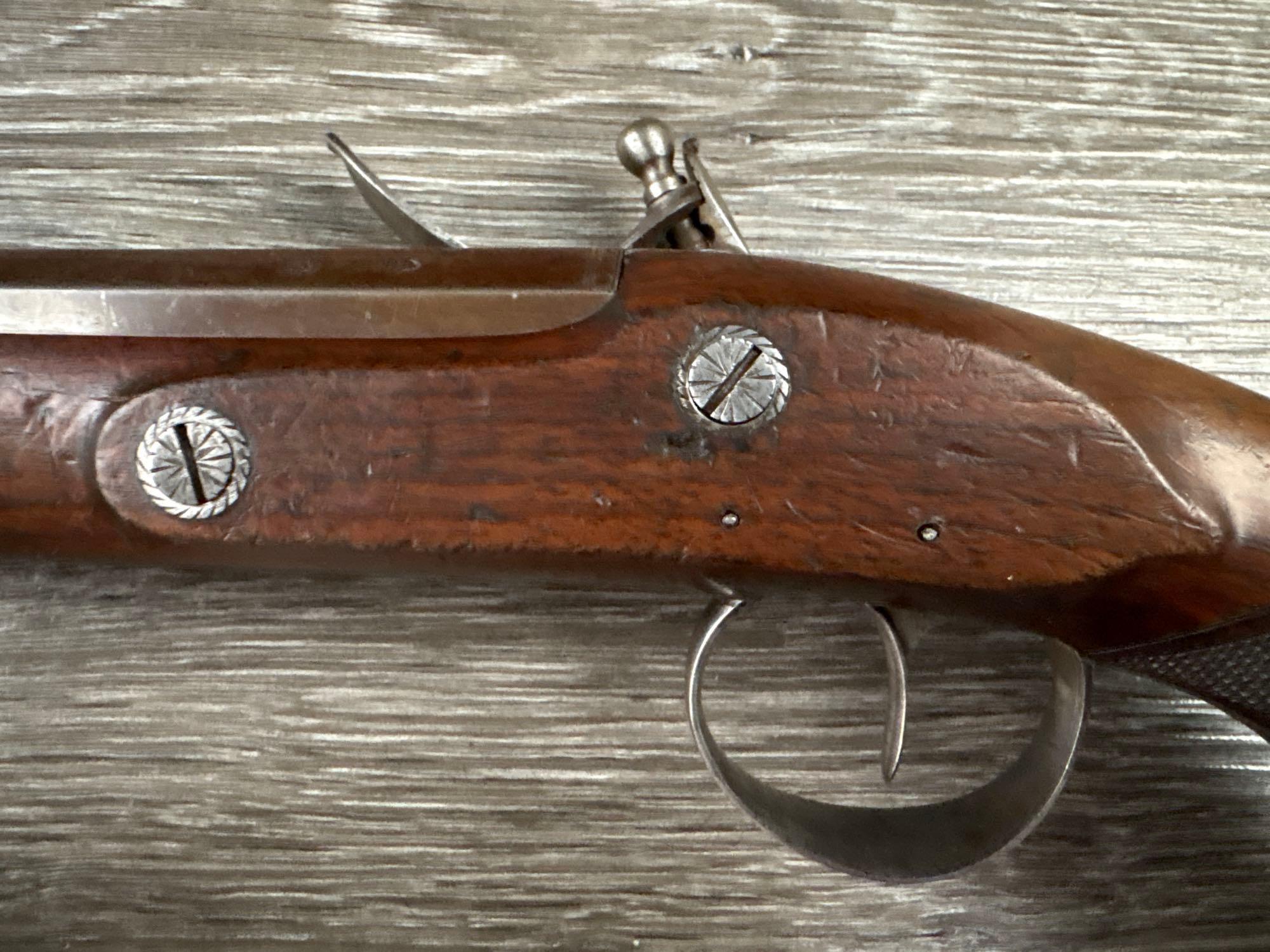
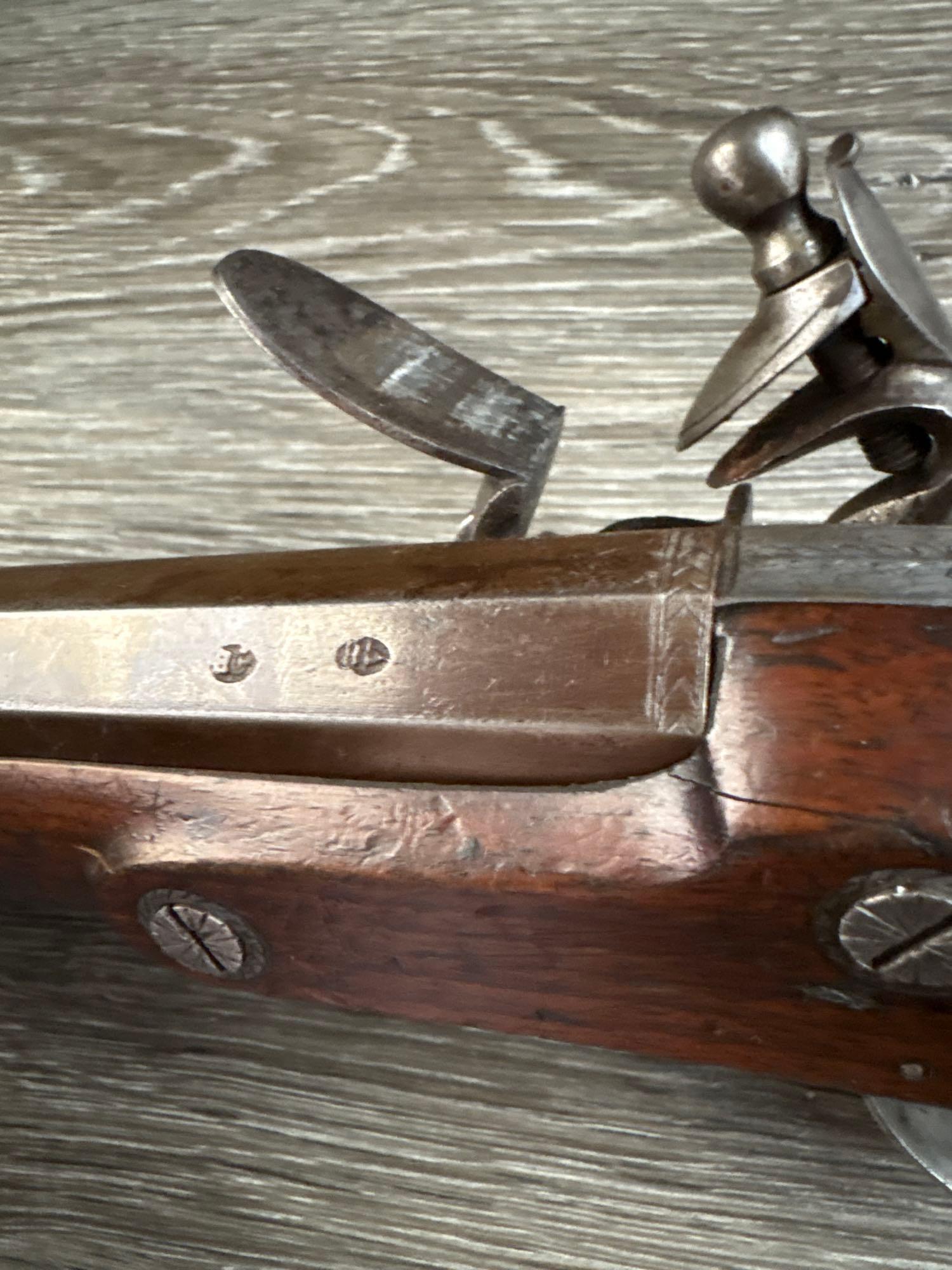
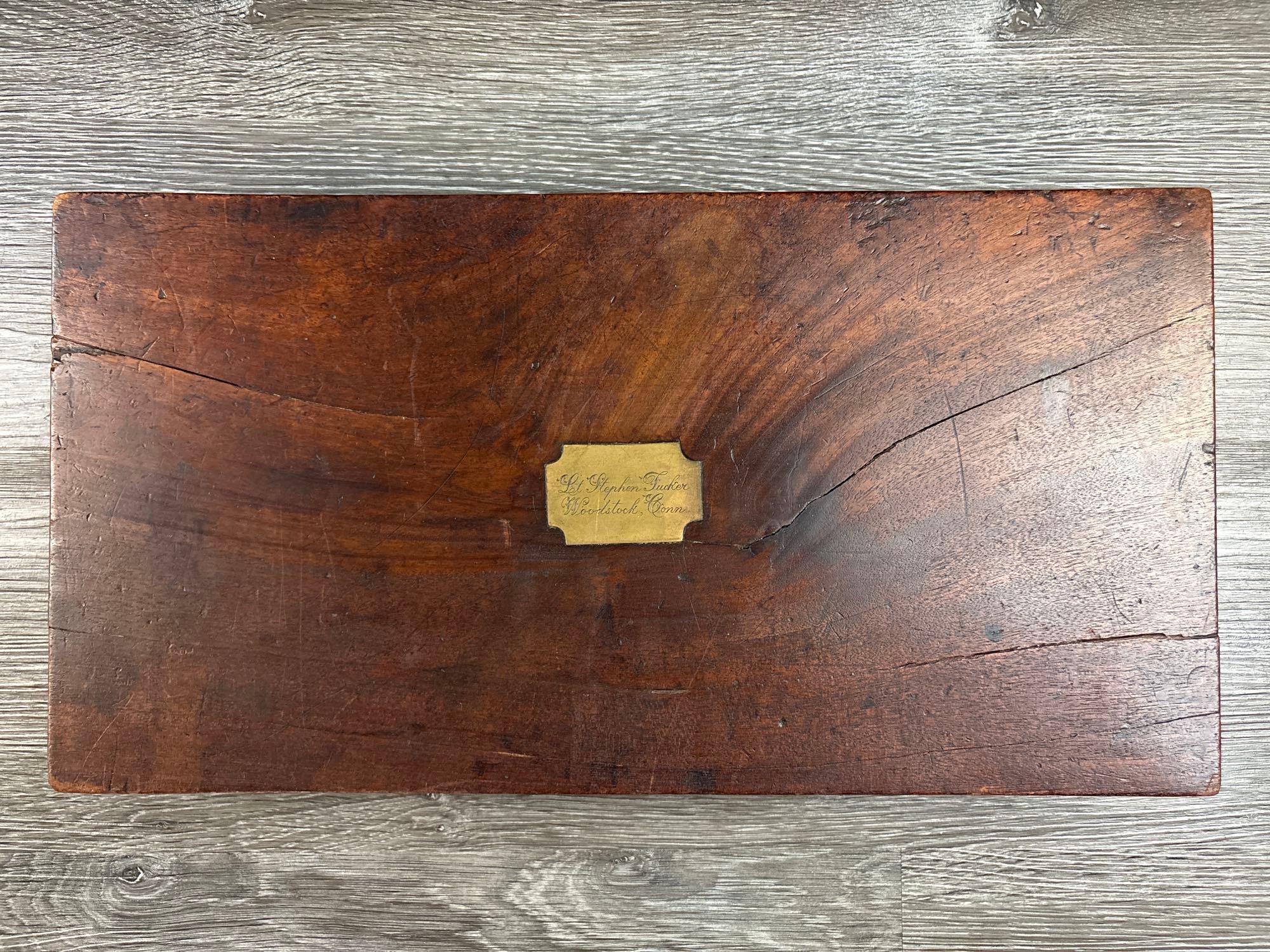
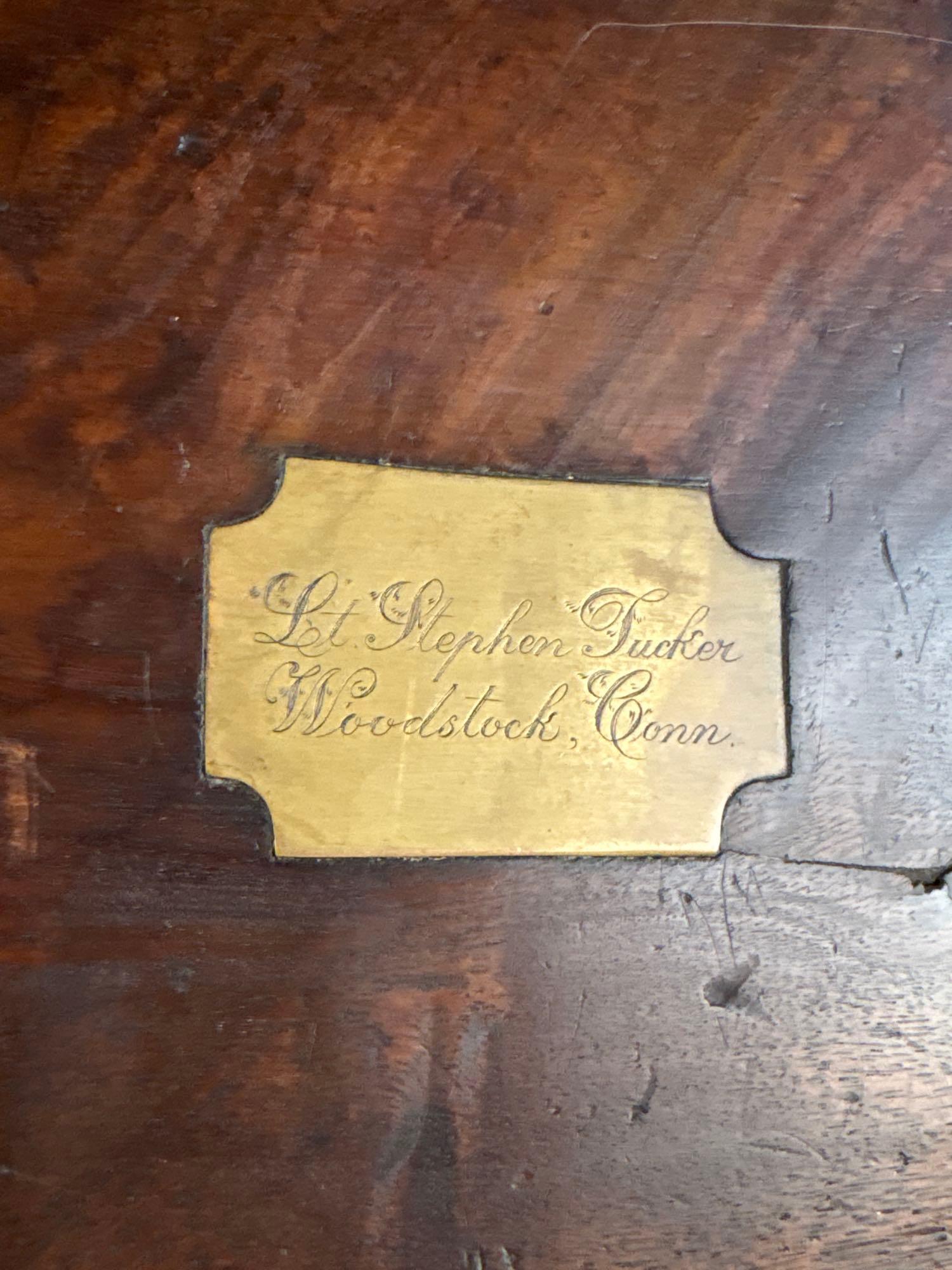
Stephen Tucker, Captain, American Revolutionary War; Born 11-25-1732 in Milton, Suffolk County, Massachusetts; Died 11-08-1808 in Woodstock, Windham County, Connecticut; Age at Death 75 Years and 48 weeks. On 19 April 1775, "The Lexington Alarm"went out in all directions after the British marched out from Boston and seized military stores at Concord that they claimed were stored for hostile purposes at which point the skirmishes at Lexington and Concord took place which precipitated the Revolutionary War. Word reached Connecticut near ten o’clock, Wednesday morning on the 19th, by noon on the 20th word had spread to Eastern Connecticut and Windham County. Prepared to a certain extent, a large contingent of men left Connecticut immediately for Massachusetts. The wording used at the time was "they marched for the relief of Boston. It was a movement of townsmen marching under their militia organizations. It was orderly and spontaneous". One Hundred and twenty able bodied men from Woodstock answered the call with 20 days provisions and sixty-four rounds per man. Steven Tucker was at this point an acting corporal. Later, we find him as a Lieutenant in the Fourth Connecticut Light Horse Regiment under the command of Major Ebenezer Backus from Norwich. These men saw action at The Siege of Boston, Bunker Hill, The Battle for Long Island, New Jersey at Bergan and Fort Constitution. During the year 1776, the Fourth Regiment found itself Commanded by Lieutenant Colonel Ichabod Lewis of Stratford and was active in the campaign around New York. This campaign took place from July 1776 through March 1777 with the results a strategic victory for the British as they gained control of New York City. The Continental Army was however preserved as was control of New Jersey. The British were commanded by General Sir William Howe and the Americans by George Washington. During these actions, Lieutenant Tucker commanded a company of twenty men. A total of 23,000 Americans fought 32,000 British Soldiers resulting in 1,500 Americans killed or wounded and over 4,000 captured. British losses were somewhat heavier with 3,000 killed or wounded and about 1,500 captured. It is during this time period that these pistols most likely came into the possession of Lt. Tucker as the spoils of war. From Sept. 8 thru Nov. 2, 1776, Tucker is assigned as quartermaster to Captain Keyes, Company of Major Backus’ Fourth Regiment of Light Horse. Stephan Tucker’s cased set of London-made full stock flintlock pistols are marked "GATEHOUSE" on their lock plates with 9" fine twist, slightly swapped octagon barrels in .62 caliber. Checkered full-length walnut stocks are attached to the barrels with two pass through, un-escutcheoned iron wedges. Both original horn tipped rosewood rammers are present. Lock plates and cocks have borderline engraving and simple decorations. Frizzens with roller springs. Barrels with both old London style proof and view marks. Trigger guard with pineapple finials to forward portions and stand of arms motifs at apex of both guards. Top of tangs to both pistols with floral and leaf patterns and additionally inscribed "S.T. 1776" for Stephan Tucker and the year he most likely acquired this ensemble. Walnut case with period brass plaque is beautifully inscribed "LT. Stephen/Woodstock, Conn." in 18th century script. The case is stocked with extra flints, a bullet mold, lead balls and a three compartment powder flask with provisions for powder, patches and balls. There is also a natural material small pocket hand calendar. Condition is very good to fine with losses to stock on one pistol behind lock plate, some shrinkage fissures emanating from the lock plate screws and wedge ports, metal has toned a mostly even silvery grey. Both Pistols remain in good working order. (Pre-98; No FFL Required).
Share this lot: